New England Sun

Bright Takes from the Northeast

Author: Casey Winters

  • Maine Coastal Travel Guide: Lobster, Lighthouses & Outdoor Adventure

    Maine remains a magnet for travelers and locals who crave rugged coastline, fresh seafood, and outdoor adventure. From rocky islands dotted with lighthouses to pine-scented trails, the state’s character blends maritime heritage with a thriving food scene and a growing focus on sustainability.

    Why Maine draws visitors
    The Maine coast delivers dramatic scenery and authentic experiences. Lobster boats ply protected harbors, small fishing villages host family-run lobster shacks, and historic lighthouses punctuate postcard views. Inland, vast forests and granite peaks offer hiking, kayaking, and wildlife watching. All of this makes Maine appealing for road trips, slow travel, and outdoor-focused getaways.

    Lobster culture and culinary tourism
    Lobster is synonymous with Maine. More than a meal, it’s a way of life: local lobstermen, modest docks, and seasonally busy harbors shape the economy and the visitor experience. Seafood restaurants range from roadside shacks serving lobster rolls and steamers to fine-dining kitchens showcasing whole lobsters, shellfish platters, and innovative seafood preparations. For an authentic experience, look for places that source directly from local fishermen and offer simple preparations that highlight freshness.

    Sustainable seafood and conservation
    Sustainability is a growing priority across Maine’s fisheries. Many lobstermen follow strict trap limits, seasonal protections, and gear innovations that reduce bycatch and protect juvenile lobsters. Several coastal towns and markets promote certified sustainable seafood and transparent traceability.

    Travelers who want to support healthy fisheries can ask restaurants about sourcing, choose local shellfish from certified suppliers, and visit working harbors to learn about conservation efforts firsthand.

    Outdoor adventures beyond the shoreline
    Acadia-like scenery can be found throughout coastal parks and islands: granite headlands, tidal pools, and interconnected trails invite exploration.

    Kayaking along sheltered bays reveals hidden coves and seal colonies; cycling preserved carriage roads offers an easy way to enjoy woodland and shoreline views; and birdwatching along marshes and estuaries rewards patient observers. Inland, state parks and remote lakes provide paddling, camping, and quiet escapes.

    maine image

    Historic lighthouses and cultural sites
    Lighthouses are iconic destinations.

    Many are accessible by short walks or drives and include interpretive centers that explain maritime history and coastal navigation. Small museums and historic homes in seaside towns preserve shipbuilding, immigrant, and indigenous histories, offering cultural richness beyond natural beauty.

    Practical travel tips
    – Plan for variable coastal weather: layers and windproof outerwear are essential.

    – Reserve accommodations early for peak travel windows to secure waterfront inns or island lodgings.
    – Support local businesses: buy seafood at fish markets, dine at family-run shacks, and shop artisan makers.
    – Practice Leave No Trace on trails and respect private property near working harbors.

    – When visiting islands, check ferry schedules and local access rules—some sites have limited visitor services.

    Why sustainable travel matters here
    Protecting coastal ecosystems and supporting resilient fisheries ensures that lobster docks, sandy beaches, and coastal traditions endure. Travelers who choose low-impact activities, patronize sustainable operators, and learn about local conservation help maintain the natural and cultural assets that make Maine special.

    Whether you’re chasing a perfect lobster roll, photographing a sunrise-lit lighthouse, or hiking to a panoramic summit, Maine offers a blend of nature, culture, and flavor that rewards slow, curious travel.

    Plan thoughtfully, tread lightly, and seek out genuine local experiences to make the most of a visit to the coast.

  • Vermont skiing blends classic New England charm with varied terrain that suits beginners, families, and expert skiers alike.

    Vermont skiing blends classic New England charm with varied terrain that suits beginners, families, and expert skiers alike.

    Nestled in the Green Mountains, resorts deliver tight tree runs, groomed cruisers, lively base villages, and a strong culture of local ski communities—making Vermont a top choice for people seeking authentic winter mountain experiences.

    What to expect on the slopes
    Vermont ski areas tend to feature narrower trails and steeper pitches than many western mountains, with plenty of glades and short, punchy vertical drops. Snow conditions can be variable, so reliable snowmaking and grooming are key. Many resorts invest heavily in snowmaking technology to open trails earlier and maintain quality through the season.

    Terrain parks, gladed trees, and long groomers are common across the state, while a few mountains preserve a more old-school feel with single chairlifts and cooperative management.

    Top resort experiences
    Vermont has a range of options depending on what you want: high-speed lifts and extensive lift networks for maximum laps, family-focused mountains with strong kids’ programs, or smaller, steeper areas beloved by locals for their fall-line skiing. Base villages tend to be compact and walkable, with lodging, restaurants, and après-ski options close to the lifts. For Nordic and backcountry enthusiasts, dedicated cross-country centers and accessible backcountry terrain offer quieter days off the alpine runs.

    Planning and saving tips
    – Buy lift tickets and lessons early and compare the value of multi-resort passes versus single-day purchases.

    If you plan to ski multiple areas, a pass might make sense; for a single weekend, day tickets or local deals can be more economical.
    – Ski midweek when possible to avoid weekend crowds and get better pricing on lodging and lessons.
    – Reserve rentals, lessons, and childcare in advance—popular time slots fill quickly at busy resorts.
    – Consider staying in a nearby town or smaller inn to find better rates and a more authentic local experience.

    vermont skiing image

    Gear and technique for Vermont conditions
    Because slopes can be narrower and more technical, many skiers favor slightly shorter, agile skis for quick edge-to-edge turns. Edge maintenance and wax for variable temperature swings are important—tuned edges help on icy patches, while fresher wax improves glide on groomers. Layered clothing is essential for changing conditions, and helmets are strongly recommended for all ages.

    Backcountry and safety
    Backcountry access is a big draw, but it requires preparation. Always check avalanche forecasts, carry beacon-probe-shovel, and travel with partners who know how to use the gear. Take an avalanche safety course before venturing into uncontrolled terrain. For safer off-piste exploration, guided tours and authorized cat-ski or sidecountry offerings provide local knowledge and managed access.

    Après, food, and local culture
    Vermont’s après-ski scene is full of cozy pubs, craft breweries, and maple-focused cuisine. Mountain towns emphasize local products and low-key hospitality, so sampling regional fare is part of the experience. Many resorts host live music, family events, and seasonal festivals that add to the mountain atmosphere without overwhelming the slopes.

    Sustainable practices
    Resorts are increasingly focusing on sustainability—improving snowmaking efficiency, investing in energy-saving lifts, and supporting trail preservation. Choosing resorts with clear environmental practices helps support long-term snow access and the health of mountain communities.

    Whether you’re chasing powder in glade runs, refining technique on groomers, or enjoying a family weekend with lessons and hot chocolate, Vermont skiing delivers a distinctive New England mix of terrain, culture, and hospitality that rewards both first-timers and longtime skiers.

  • 1) Berkshires Travel Guide: Arts, Outdoor Adventure & Farm-to-Table Food

    The Berkshires remain one of the Northeast’s most compelling destinations for people who want to combine outdoor adventure with serious arts and great food.

    Nestled in western Massachusetts, this region delivers scenic ridgelines, intimate performing arts venues, bold contemporary museums, and a farm-to-table food culture that’s only grown more vibrant recently.

    Why visit the Berkshires now
    The area appeals to a wide range of travelers: hikers and paddlers seeking quiet trails and waterways; music and theater lovers drawn to world-class programming in intimate settings; and foodies eager to explore seasonal markets and small, thoughtful restaurants. With a compact footprint it’s easy to mix cultural outings and outdoor activity on the same trip.

    Top things to do
    – Outdoor recreation: Mount Greylock offers sweeping summit views and networked trails that link to longer regional routes. Smaller ridge walks and state forest trails provide accessible hikes for all fitness levels. Rivers and lakes are popular for kayaking, canoeing, and stand-up paddleboarding, while scenic country roads invite cyclists.
    – Arts & culture: Major museums in the region spotlight both historical and contemporary work, and a lively performing arts scene features chamber music, orchestral series, theater, and dance at venues that range from formal halls to outdoor pavilions. Galleries, artist studios, and seasonal exhibitions make it easy to discover local creativity.
    – Food & farms: Farmers markets, artisanal producers, and dedicated farm-to-table restaurants are integral to the local identity.

    Many farms host tastings, workshops, and pick-your-own experiences, while cideries and craft breweries offer relaxed tasting rooms that spotlight regional ingredients.
    – Small towns and scenic drives: Quaint downtowns have independent bookstores, artisan shops, and cafes. A scenic drive through the rolling hills reveals historic villages, covered bridges, and roadside stands selling fresh produce and baked goods.

    Where to focus your time
    For an art-heavy itinerary, plan gallery hopping and museum visits alongside a performance or two. If nature is the draw, combine a summit hike with a paddle at dawn and end the day at a casual farm-to-table spot. Couples and wellness seekers will find boutique inns and spas that pair quiet, restorative programming with healthy local cuisine.

    Practical travel tips
    – Check event calendars before you go and reserve tickets and dining in advance for popular concerts and restaurants.
    – Pack layers—weather can change quickly in hill country—and bring sturdy shoes for varied trail conditions.
    – Respect private property and wildlife; follow Leave No Trace principles on trails and at water access points.
    – Use local visitor centers and farm stands to find up-to-date recommendations and seasonal highlights.

    Why this region stands out

    berkshires image

    The Berkshires combine cultural depth and approachable outdoor recreation in a way that feels authentic rather than theme-park curated. Whether you’re planning a weekend escape or a longer creative retreat, the blend of natural beauty, strong artistic programming, and community-focused food scenes offers something memorable for nearly every traveler.

    For planning: focus on what you want most—art, outdoors, or food—and build a compact, walkable schedule that minimizes drive time and maximizes discovery.

    The payoff is a relaxed, richly textured experience that reconnects you with nature, art, and good local food.

  • Cape Cod Guide: Sustainable Travel, Outdoor Adventures, Whale Watching & Seafood

    Cape Cod blends classic New England charm with a forward-looking approach to conservation and visitor experience. From wind-scoured dunes and iconic lighthouses to world-class whale watching and vibrant seafood scenes, the Cape continues to draw travelers who want scenic beauty, outdoor activity, and authentic local culture.

    Why the Cape still captivates
    The region’s distinct geography — a sweeping hook of sandy beaches, sheltered bays, and freshwater ponds — creates endless opportunities for beachcombing, kayaking, and birdwatching. Towns like Provincetown, Chatham, and Wellfleet each offer a different personality: lively arts scenes and nightlife, refined seaside villages, and laid-back creative enclaves. Lighthouses, maritime museums, and historical walking tours keep the Cape’s nautical heritage front and center.

    Coastal change and conservation
    Shoreline erosion, rising seas, and stronger storms are shaping how communities manage beaches and infrastructure.

    Management strategies now emphasize dune restoration, living shorelines, and marsh migration to protect habitats and properties while preserving public access. The Cape’s protected areas and national seashore play a key role in research and hands-on restoration, with volunteer opportunities for travelers who want to participate in beach cleanups or native plantings.

    Outdoor activities that suit every pace
    – Biking: Multi-use paths like the Cape Cod Rail Trail provide family-friendly routes through cranberry bogs and pine forests. Bike rentals are widely available and many towns connect to short scenic loops.

    – Kayaking and paddleboarding: Calm bays and estuaries are ideal for paddling.

    Guided tours and rentals offer safe, educational outings with a good chance to spot seals and coastal birds.
    – Whale watching: Offshore feeding grounds attract whales; reputable operators follow strict guidelines to minimize disturbance. Choose licensed captains who practice responsible viewing and offer naturalist commentary.
    – Hiking and wildlife: Trails through dunes, cedar swamps, and cranberry bogs reveal diverse ecosystems and migratory birds. Bring binoculars and a tide chart for the full experience.

    cape cod image

    Seafood and local flavor
    The Cape’s culinary identity is seafood-forward but increasingly diverse.

    Wharf-to-table restaurants and farmers’ markets spotlight local scallops, oysters, and clams alongside seasonal produce and craft beverages. Supporting certified sustainable harvesters and small-scale fisheries helps maintain the health of local stocks.

    Don’t miss sampling raw oysters, fried clams, or a classic New England clam chowder at a harbor-side shack.

    Practical tips for a better visit
    – Plan transportation: Traffic can be heavy during peak times; consider bikes, shuttles, or ferries for island hopping. Book popular ferries and whale-watching excursions in advance when possible.
    – Respect the shore: Stay off fragile dunes, observe posted wildlife protections, and keep a respectful distance from seals and nesting birds.
    – Pack for changeable weather: Coastal conditions can shift quickly — layers, sun protection, and windproof outerwear make days more comfortable.
    – Support local businesses: Choose family-owned inns, independent shops, and seasonal markets to invest directly in coastal communities and their resilience.

    Whether you’re seeking active adventure, quiet natural beauty, or a taste of maritime heritage, the Cape offers a richly layered visit that rewards curiosity and care. Embracing sustainable choices while exploring helps ensure the landscape and communities you love remain vibrant and accessible for seasons to come.

  • Harbor Islands Guide: Responsible Visits, Conservation Tips & Safety

    Harbor islands are compact parcels of land where coastal culture, wildlife, and recreation meet. Whether tucked into an urban waterfront or lying near a rural shoreline, these islands offer concentrated experiences — close-up nature encounters, historic sites, and small-scale tourism — while also facing unique conservation and management challenges.

    Why harbor islands matter
    Harbor islands serve as refuges for seabirds, haul-out spots for seals, and nursery areas for fish and shellfish. Their sheltered waters often host eelgrass beds and oyster reefs that improve water quality and buffer shorelines from storm surge.

    At the same time, islands close to population centers are prime destinations for day-trippers, which creates both economic opportunity and pressure on fragile ecosystems.

    Visiting responsibly
    A responsible visit keeps these places healthy for wildlife and for future visitors.

    Before you go, check ferry or private-boat options and local landing rules; some islands restrict visitation to protect nesting birds or restoration projects. Pack light, carry out all trash, and avoid bringing or transporting live bait, seeds, or plants that can introduce invasive species.

    harbor islands image

    Quick visitor checklist:
    – Confirm access rules and ferry or mooring availability
    – Bring water, layered clothing, and sturdy shoes for uneven terrain
    – Use reef-safe or mineral sunscreen and avoid pouring anything into the water
    – Keep a respectful distance from wildlife and nesting sites
    – Stay on marked trails and follow “leave no trace” principles

    Conservation priorities
    Many harbor islands are focal points for habitat restoration: replanting native grasses, re-establishing oyster reefs, and eradicating invasive rodents. Eelgrass restoration and shellfish enhancement are especially effective at increasing biodiversity and improving water clarity. Local partners — conservation groups, municipal agencies, and community volunteers — often coordinate these efforts and welcome help through shoreline cleanups, monitoring programs, and habitat workdays.

    Balancing tourism and protection
    Sustainable tourism is key. Operators that limit group size, follow defined landing sites, and educate visitors about local ecosystems help reduce disturbance. Community-driven management, such as timed access or seasonal closures for nesting seabirds, can preserve both visitor experience and wildlife needs.

    Supporting local vendors and small-scale services keeps economic benefits in nearby towns and incentivizes long-term stewardship.

    Safety and navigation
    Tides and currents around harbor islands can change quickly. Check tide charts and weather forecasts, file a float plan if you’re using a private boat or kayak, and know local emergency contacts. Many islands lack facilities, so expect basic or no services: pack first-aid supplies, extra food, and a charged communication device.

    Getting involved
    Citizen science programs offer easy ways to contribute: bird surveys, shoreline litter counts, and tidepool monitoring are often open to volunteers. Beach cleanups, shell recycling for oyster restoration, and native plantings are practical projects where visitors can make a measurable difference.

    Harbor islands distill the essence of coastal environments into small, accessible places. With mindful visitation, support for local conservation, and coordinated management, these islands can continue to provide recreation, habitat, and cultural value for many seasons to come.

    Before you plan your next trip, check local regulations and opportunities to volunteer — small actions add up to big protection.

  • Primary: Vermont Maple Syrup — The Ultimate Guide: How It’s Made, Where to Buy & How to Enjoy It

    Vermont maple syrup: how it’s made, why it matters, and how to enjoy it

    Vermont’s maple syrup is more than a pantry staple — it’s a living tradition rooted in small farms, seasonal skill, and a deep connection to the forest. For food lovers, travelers, and anyone who values craftsmanship, understanding what makes Vermont syrup special adds flavor to every pancake, glaze, and cocktail.

    How maple syrup is made
    Maple syrup begins with sugar maples tapping sap from trees as temperatures fluctuate between warm days and freezing nights. Sap is collected from taps and moved to a sugarhouse where it’s concentrated through evaporation. Modern evaporators speed the process while many producers still rely on hands-on monitoring to achieve the sweet, complex final product. The result is a pure, unblended syrup that captures floral and caramel notes unique to the region’s soil and microclimates.

    What to look for when buying
    – Pure syrup vs. pancake syrup: Pure maple syrup contains only maple sap reduced to syrup; pancake syrups often contain corn syrup and artificial flavors. Look for labels that say 100% maple.
    – Grade and color: Syrup ranges from light and delicate to dark and robust.

    vermont image

    Lighter syrups work well for drizzling; darker syrups stand up to cooking and savory dishes.
    – Source and traceability: Small producers often provide the farm name or town on the label. Local purchases support small businesses and shorten the supply chain.
    – Packaging: Glass jars preserve flavor and look great as gifts; foil pouches are lightweight and convenient for camping or travel.

    Visiting a sugarhouse
    A visit to a sugarhouse offers hands-on insight into the craft. Many farms welcome visitors for guided tours, demonstrations, and tastings. Look for sugarhouses that explain sustainable forest management, show sap-collection techniques, and let guests sample syrup right off the evaporator. These visits are family-friendly and make excellent day trips paired with hikes, small-town dining, or a drive through scenic countryside.

    Culinary uses beyond breakfast
    Maple syrup is incredibly versatile. Try these ideas:
    – Use as a glaze for roasted root vegetables or salmon.
    – Stir into vinaigrettes for a balanced sweet-tart dressing.
    – Swap refined sugar for maple in baking to add moisture and depth.
    – Brew into cocktails as a natural sweetener with warm, caramel notes.
    – Drizzle over yogurt, cheese, or roasted fruit for a simple dessert.

    Storage and shelf life
    Store unopened maple syrup in a cool, dry pantry. Once opened, refrigerate to preserve freshness and prevent fermentation.

    For long-term storage, freezing is effective — syrup won’t expand the container and will keep indefinitely when frozen.

    Sustainability and forest stewardship
    Responsible producers manage woodlots to ensure healthy forests for future taps. Many small-scale operations use sustainable harvesting practices and prioritize biodiversity. Supporting local syrup makers encourages landowners to maintain forested landscapes rather than converting them to development.

    Finding and supporting local producers
    Farmers’ markets, specialty food shops, and direct farm sales are the best ways to find authentic Vermont syrup. Many producers offer online sales and shipping, along with seasonal tours and tasting events. Buying directly from the maker helps preserve a regional food culture and keeps tradition alive.

    Whether used to finish a dish, sweeten a cocktail, or gifted in a jar, Vermont maple syrup connects table and terrain. Exploring the process, tasting varieties, and visiting a sugarhouse turn a sweet ingredient into a memorable experience.

  • Recommended: Harbor Islands Guide: Wildlife, Coastal Resilience & Responsible Visits

    Harbor islands combine rugged coastal beauty with important ecological and social functions. Whether natural outcrops in a busy port or reclaimed land turned into public parkland, these islands are essential for wildlife, coastal resilience, and urban recreation. Understanding their value and how to enjoy them responsibly helps protect them for future visitors.

    Why harbor islands matter
    – Ecological hotspots: Harbor islands host unique habitats—rocky shores, tidal flats, eelgrass beds, and salt marshes—that support fish nurseries, shellfish beds, and migratory birds. These pockets of biodiversity are critical stepping stones for species moving along coastlines.
    – Coastal protection: Islands act as natural breakwaters, reducing wave energy and shielding shorelines from erosion. Healthy island habitats can slow storm surge impacts and trap sediment, contributing to long-term shoreline stability.
    – Cultural and recreational value: Many harbor islands contain historic sites, lighthouses, and maritime infrastructure. They also offer accessible outdoor experiences—hiking, birdwatching, kayaking, and picnicking—often minutes from urban centers.
    – Working waterfronts: Some harbor islands remain active in maritime industries, supporting small-scale fisheries, marinas, and research activities that connect communities to their coastal heritage.

    Common challenges
    Balancing public access with conservation is a recurring challenge.

    High visitation can disturb nesting birds and fragile plant communities. Other pressures include:
    – Erosion and sea-level rise, which can reduce habitat area and alter island shapes.
    – Pollution and runoff from nearby watersheds, which harms eelgrass and shellfish.
    – Invasive species that outcompete native vegetation and change habitat structure.
    – Conflicts between commercial uses and recreational expectations.

    Conservation and management strategies
    Effective management combines science, community engagement, and smart design:
    – Habitat restoration: Replanting native vegetation, restoring salt marshes, and re-establishing eelgrass beds increase biodiversity and resilience.
    – Living shorelines: Using natural materials and native plants to stabilize edges reduces erosion while preserving habitat—an alternative to hard seawalls that can harm marine life.
    – Seasonal protections: Temporarily restricting access to nesting areas during breeding seasons helps birds and shorebirds raise young successfully.
    – Monitoring and adaptive management: Regular surveys of bird populations, shoreline change, and water quality guide management decisions and restoration priorities.
    – Community stewardship: Volunteer cleanups, citizen science bird counts, and local advocacy are powerful tools to maintain health and public support.

    Tips for visitors
    – Plan access: Many harbor islands are reachable by short ferry rides, water taxi, or kayak—check schedules and permitted landing sites before you go.
    – Follow rules: Observe posted closures and stay on designated trails to avoid trampling sensitive habitat or disturbing wildlife.
    – Leave no trace: Pack out trash, avoid single-use plastics, and secure gear so nothing washes into the tidal zone.
    – Respect wildlife: Keep distance from nesting areas and use binoculars for viewing. Dogs may need to be leashed or left ashore during nesting season.
    – Safety first: Tides, rocky terrain, and changing weather require proper footwear, clothing layers, and a plan for returning to the mainland.

    How to help
    Support local conservation groups, report damaged habitats or pollution, and participate in restoration events. Small actions—like choosing sustainable seafood, reducing runoff from lawns, and staying informed about management plans—add up to big benefits for harbor islands and the communities that rely on them.

    harbor islands image

    Preserving these islands preserves coastal nature, community heritage, and resilient shorelines—making them more enjoyable and sustainable for everyone who visits.

  • – Vermont Travel Guide: Fall Foliage, Farm-to-Table Eats & Outdoor Adventure

    Vermont travel blends small-town charm, outdoor adventure, and a deep farm-to-table food culture. Whether you’re chasing fall foliage, hitting the slopes, or tasting fresh maple syrup, Vermont delivers a quietly immersive New England experience that rewards slow travel and curiosity.

    Why Vermont stands out
    Green Mountains dominate the landscape, offering miles of hiking, scenic drives, and cozy villages. Lake Champlain provides a freshwater contrast with kayaking, sailing, and shoreline towns that showcase local art and cuisine.

    vermont image

    The state’s scale makes it easy to mix outdoor days with visits to museums, covered bridges, and craft producers without long drives.

    Top experiences to prioritize
    – Fall foliage: Vermont is famous for vivid fall colors. Plan routes through mountain roads and river valleys, and seek lesser-known overlooks to avoid crowds.
    – Skiing and snow sports: Ski areas offer everything from family-friendly slopes to backcountry access. Many resorts emphasize green practices and community programs.
    – Hiking and trails: The Green Mountain ridgeline and numerous state forests offer day hikes and multi-day options for all skill levels. Leave no trace and prepare for quick weather changes.
    – Lake Champlain activities: Paddle, sail, or bike along the waterfront. Ferry crossings between lakeside towns add charm to any itinerary.
    – Covered bridges and small towns: Stroll the main streets of towns like Middlebury and Stowe for boutiques, galleries, and welcoming cafes.

    Food and drink culture
    Vermont’s culinary scene is rooted in local farms and artisanal producers.

    Maple syrup is a signature product—visit small sugarhouses to see how sap is collected and boiled down, and sample varietal syrups paired with local cheeses. Farm-to-table restaurants and weekly farmers markets make it easy to taste seasonal produce at its peak.

    Craft beverages are another highlight. Microbreweries, cideries, and distilleries are plentiful, many with taprooms or tasting rooms where you can meet the makers. Ice cream lovers will find creative flavors and small-batch producers showcasing Vermont dairy.

    Practical tips for a smooth trip
    – Book lodging and lift tickets in advance during busy seasons; small inns and B&Bs can fill quickly.
    – Rent a car for flexibility—public transit can be limited outside major towns.
    – Embrace slower travel: aim for quality experiences rather than trying to check every attraction.
    – Respect rural roads and wildlife; winter driving requires proper tires and caution.
    – Support local businesses by buying goods directly from farms, markets, and craft shops.

    Sustainability and local stewardship
    Vermont places a strong emphasis on land conservation, renewable energy, and supporting local agriculture.

    Many attractions and businesses prioritize sustainable practices—look for eco-friendly accommodations and regenerative farms when planning activities.

    Cultural highlights and festivals
    Seasonal events, artisan fairs, and music series bring communities together.

    Art museums and historic sites offer year-round programs that deepen appreciation for the region’s heritage.

    Whether you’re seeking active outdoor days, culinary discovery, or quiet time in a tucked-away village, Vermont rewards visitors who slow down and look closely. Pack layers, bring a sense of adventure, and leave room for unplanned stops—some of the best moments happen between the mapped-out sights.

  • Vermont Skiing Guide: Best Resorts (Stowe, Killington, Jay Peak), Family Tips & Backcountry Safety

    Vermont skiing blends classic New England charm with varied terrain, reliable snowmaking, and a welcoming culture that suits families, experts, and first-timers. Nestled in the Green Mountains, Vermont’s ski areas offer everything from cruisy groomers and terrain parks to steep chutes, gladed forests, and accessible backcountry access.

    Top resorts and what they offer
    – Stowe: Known for iconic vertical and scenic views, Stowe delivers a mix of long cruisers and technical steeps, plus a lively village with dining and shopping.
    – Killington: Often called “The Beast of the East” for its expansive terrain and late-season coverage, Killington hosts diverse trails, terrain parks, and robust nightlife.
    – Sugarbush & Mad River Valley: These hills offer quieter, scenic skiing with varied runs and strong family amenities.
    – Jay Peak: Favored for significant snowfall and a reputation for challenging terrain, plus a popular indoor waterpark for non-ski activities.

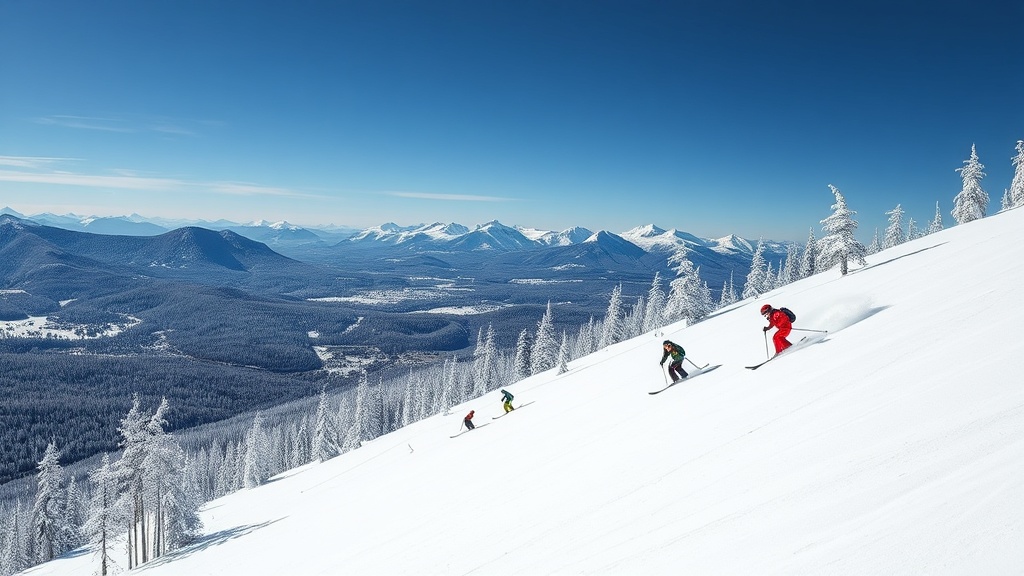
    vermont skiing image

    – Smugglers’ Notch: Famously family-friendly, with excellent kids’ programs, gentle learning areas, and plenty of off-slope childcare options.
    – Mount Snow and regional mid-sized areas: Provide convenient access for weekend trips, strong snowmaking systems, and options for night skiing or terrain park progression.

    Planning tips for a smoother trip
    – Check snow conditions and lift status before you go.

    Resorts maintain real-time updates on grooming and open trails.
    – Consider pass options like multi-resort passes or local season passes if you plan multiple visits. Many resorts also offer discounted midweek or multi-day tickets.
    – Book lodging early for peak periods; look for ski-in/ski-out condos if convenience is a priority, or charming inns and B&Bs for a quieter stay.
    – Fly into regional airports and arrange shuttle service or car rental; Burlington often serves as a convenient gateway for many Vermont hills.

    Gear, lessons, and fit
    – Rental shops in resort towns offer modern equipment and flexible rental periods. Beginners should invest in lessons—child and adult programs are widely available and accelerate progress safely.
    – Layering is essential: moisture-wicking base layers, insulated mid-layers, and a waterproof shell.

    Helmets and goggles are standard for safety and comfort.
    – Tune-ups matter. A fresh wax and sharp edges improve glide and control, especially on variable New England snow.

    Backcountry and Nordic options
    Vermont’s backcountry appeals to experienced skiers seeking powder and untouched lines. Avalanche awareness, proper training, and essential gear (avalanche beacon, probe, shovel) are critical; consider hiring a certified guide. For lower-impact outings, Vermont’s extensive Nordic and snowshoe trail networks provide quiet, scenic alternatives and are perfect for families or fitness-focused visitors.

    Après-ski and local flavor
    Après-ski ranges from cozy taverns with craft beer to fine dining celebrating local farm-to-table produce. Many towns near ski areas host weekly markets, breweries, and seasonal festivals that complement the mountain experience.

    Safety and sustainability
    Resorts invest in guest safety with patrols, signage, and ongoing grooming. Expect active snowmaking and trail management to ensure coverage. Vermont ski areas also engage in sustainability efforts—energy-efficient lift systems, water-smart snowmaking, and habitat conservation initiatives are common.

    Whether you’re chasing fresh corduroy, exploring glades, or teaching a child to ski, Vermont delivers a classic mountain experience with modern amenities. Check current conditions, pack appropriately, and embrace the relaxed, community-oriented vibe that makes skiing in Vermont a memorable escape.

  • Vermont Skiing: Why the Green Mountains Remain the Northeast’s Top Ski Destination

    Why Vermont remains a top destination for skiing

    Vermont’s ski scene blends New England charm with varied terrain, reliable snowmaking, and easy access from major northeast cities. Whether you’re chasing groomed corduroy, gladed tree runs, or family-friendly learning areas, Vermont delivers a compact, high-value ski experience that keeps visitors coming back.

    What makes Vermont skiing special
    – Classic resort villages: Many Vermont ski areas feature walkable base villages with cozy lodges, local restaurants, and après-ski options that feel authentic rather than touristy.
    – Diverse terrain: Resorts offer everything from gentle beginner slopes and long cruisers to steep pitches, gladed trails, and terrain parks—often within the same mountain.
    – Snow reliability: While natural snowfall varies, aggressive snowmaking and grooming across the state extend the season and ensure consistent conditions on core trails.
    – Accessibility: A day trip or weekend escape is feasible from nearby cities, making Vermont ideal for short getaways and family weekends.

    Top types of resorts
    – Family-focused hills: These resorts emphasize instruction, beginner zones, and childcare services. Expect dedicated learning areas, progressive lift systems, and ski-school programs.
    – Large multi-mountain centers: Bigger resorts provide lift networks, varied terrain, extensive grooming, and more lodging and dining choices—good for groups with mixed ability levels.
    – Boutique and local hills: Smaller areas offer low lift lines, cheaper lift tickets, and a community vibe. They’re great for skill-building and avoiding crowds.

    Planning tips for a better trip
    – Buy tickets and lessons online: Advance purchases often unlock savings and guarantee lesson spots or ticket windows during busy periods.
    – Consider shoulder days: Midweek skiing typically means shorter lift lines, more flexible lodging options, and quieter dining scenes.
    – Layer smart: Vermont weather can shift quickly—use breathable base layers, an insulating mid-layer, and a waterproof shell.

    Pack gloves and a helmet-rated hat.
    – Rent strategically: High-quality rentals reduce hassle, and many shops offer demo programs so you can test skis suited to current conditions.
    – Respect backcountry risks: For anyone venturing off groomed runs, carry avalanche basics (beacon, probe, shovel), take an avalanche-awareness course, and check current advisories.

    Après-ski and local flavor
    Vermont’s culinary scene ranges from hearty pub fare and wood-fired pizza to refined farm-to-table dining. Microbreweries and cideries are easy to find near the slopes, and many resorts host live music or themed events. For a quieter night, look for inns and B&Bs that provide intimate atmosphere and local recommendations.

    Sustainability and community
    Many Vermont resorts balance recreation with environmental stewardship: energy-efficient snowmaking, waste-reduction programs, and habitat-friendly trail management are common initiatives. Local organizations often partner with resorts on trail conservation and youth-ski programs that build community support and sustainable tourism.

    Making the most of your visit

    vermont skiing image

    – Check trail maps and lift status before you go to prioritize desired runs.
    – Book accommodations with flexible policies to handle changing weather or travel plans.
    – Take a lesson if you haven’t skied recently—refresher sessions can boost confidence and progression.
    – Embrace slower mornings and stake out favorite runs early; lift lines and variable light can change how a run feels by afternoon.

    Vermont skiing offers a blend of convenience, scenery, and variety that suits families, couples, and avid skiers alike. With thoughtful planning and an eye on conditions, a Vermont ski trip can deliver rewarding turns and memorable mountain-side moments.