New England Sun

Bright Takes from the Northeast

Author: Casey Winters

  • How to Make Restaurant-Quality Clam Chowder: New England, Manhattan & Rhode Island Styles

    Clam chowder remains one of the most comforting, versatile seafood dishes — creamy, brothy, or tomato-forward depending on where you are. Understanding regional styles, ingredient choices, and a few kitchen tricks will help you make a chowder that tastes restaurant-quality every time.

    Styles and what makes them different
    – New England clam chowder: Thick and creamy, built on a milk or cream base with potatoes, onions, and often salt pork or bacon for savory depth. It’s velvety and rich; a roux or potato starch helps achieve that characteristic body.
    – Manhattan clam chowder: Tomato-based and bright, this version swaps cream for tomatoes, includes a heartier vegetable mix (carrots, celery, bell pepper), and often has a lighter, slightly acidic finish.
    – Rhode Island-style: Clear-broth chowder that highlights the clams themselves. It’s typically lighter, relying on clam liquor, butter, and aromatics rather than cream or tomato.

    Choosing and preparing clams
    Fresh hard-shell clams (littlenecks, cherrystones) give the best texture and flavor when you steam and add the meat at the end. For convenience or a more consistent flavor, canned clams and bottled clam juice are reliable. If using live clams, scrub shells and purge in saltwater briefly to remove grit. Reserve the clam liquor and strain it — it’s a valuable flavor booster for the broth.

    Building flavor
    Start with a classic flavor base: sweat onions and celery in butter or rendered salt pork, add garlic and thyme, then deglaze with a splash of clam liquor, white wine, or a little chicken/seafood stock. Potatoes add body and a comforting bite; choose a waxy variety for chunks or russets if you want them to break down and thicken the chowder.

    Thickening without heaviness
    – Roux: Equal parts butter and flour cooked briefly adds a glossy richness.
    – Potato starch: Mash a portion of cooked potatoes into the broth to thicken naturally.
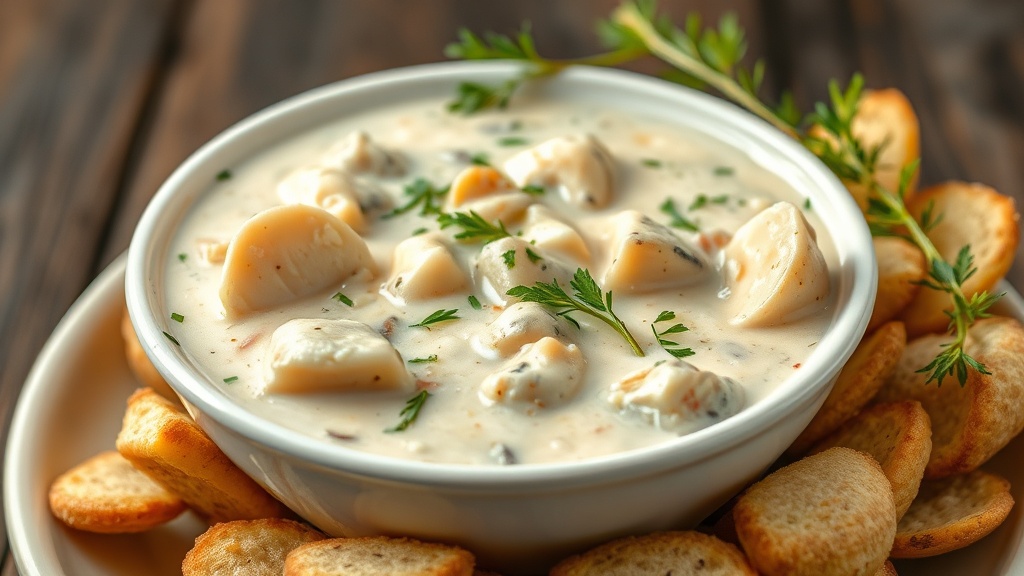
    clam chowder image

    – Cornstarch slurry: A gluten-free option that thickens quickly when heated.
    – Temper cream: If adding cream, warm it gently and avoid boiling to prevent curdling and a grainy texture.

    Avoid curdling and overcooking
    Keep chowder at a gentle simmer after dairy is added. Add clam meat at the end and heat just until opaque to keep it tender. High, rolling boils toughen clams and can split dairy.

    Gluten-free and lighter options
    For gluten-free chowder, substitute cornstarch or potato for flour, or use a gluten-free flour blend in the roux. For a lighter take, use half-and-half or a splash of cream stirred in at the end, or choose a clear-broth Rhode Island style.

    Sustainability and sourcing
    Clams are often a sustainable seafood choice because many are harvested via low-impact methods and farmed in ways that improve water quality. Look for local sources, trusted suppliers, or certifications when available. Buying locally harvested clams supports regional fisheries and ensures peak freshness.

    Serving and pairings
    Serve chowder with crusty bread, oyster crackers, or a simple green salad. Creamy chowder pairs well with a lightly oaked white wine or a crisp pilsner; tomato-based chowders match up with medium-bodied red blends or a citrus-forward white. Garnish ideas: chopped parsley, chopped chives, a drizzle of good olive oil, or crisped bacon.

    Storage and reheating
    Chowder holds well in the fridge for a few days; reheat gently over low heat, adding a splash of stock or cream if it thickens too much. It freezes best without dairy; for best texture, freeze the base and add cream and clams when reheating.

    With these guidelines you can honor tradition or experiment confidently — whether you crave a silky New England bowl, a zesty Manhattan, or a clear, clam-forward broth.
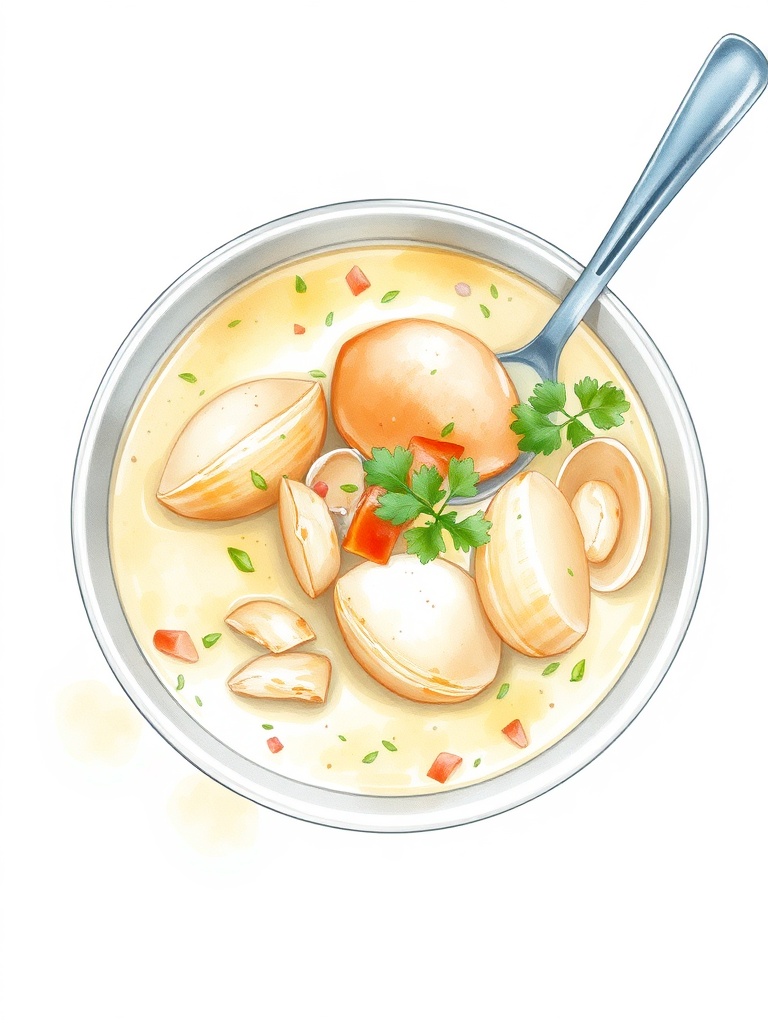

  • How to Make Clam Chowder: New England, Manhattan & Rhode Island Styles + Pro Tips

    Clam Chowder: Classic Styles, Smart Tips, and Flavor-Boosting Tricks

    Clam chowder is comfort in a bowl—creamy, briny, and endlessly adaptable. Whether you crave the silky richness of New England clam chowder or the bright tomato base of Manhattan clam chowder, mastering a few techniques makes all the difference.

    Styles and flavor profiles
    – New England: A cream-based chowder marked by tender clams, diced potatoes, and often salt pork or bacon. The texture ranges from broth-forward to luxuriously thick, depending on thickening method.

    clam chowder image

    – Manhattan: Tomato-based with vegetables like carrots and celery, offering a lighter, tangy alternative that highlights the clam’s natural brininess.
    – Rhode Island/clear-broth: Simple and focused on clam liquor, these versions use minimal dairy and keep clams front-and-center.

    Choosing clams and clam products
    Fresh littlenecks or cherrystones are ideal for chowders—tender and flavorful.

    For deeper clam flavor without the work of shucking, use high-quality canned clams plus clam juice. If using frozen clams, thaw gently in the refrigerator and avoid overcooking to prevent rubberiness. Favor sustainably harvested or farmed clams when possible.

    Building a better chowder
    – Start with aromatics: Sweat onions, celery, and a bit of garlic in butter or rendered salt pork for a savory backbone.
    – Layer flavors: Add a splash of dry white wine or a little fish stock to deglaze and deepen the base before introducing potatoes or tomatoes.
    – Control the texture: For a silky mouthfeel, make a light roux (equal parts butter and flour) and whisk in milk or cream. For a chunkier, rustic chowder, mash some cooked potatoes into the broth to thicken naturally.
    – Finish carefully: Add clams near the end of cooking—just long enough to warm through. If using canned clams, stir in towards the end to avoid overcooking.

    Thickening options
    – Roux: Classic and reliable for creamy chowders.
    – Mashed potato: Boil a portion of the potatoes until falling apart and mash them into the liquid for body.
    – Cornstarch slurry: Good for a gluten-free option; mix with cold water before whisking into simmering chowder.
    – Reduction: Simmer gently to concentrate flavors and naturally thicken without extra starch.

    Serving and pairings
    Serve in a warmed bowl with plenty of cracked black pepper and fresh herbs like parsley or chives. Traditional pairings include oyster crackers or crusty sourdough; for a more indulgent presentation, hollow out a sourdough boule and ladle chowder inside.

    For beverages, light-to-medium-bodied white wines (think unoaked Chardonnay or Sauvignon Blanc) and crisp lagers complement the dish without overwhelming it.

    Make-ahead, storage, and reheating
    Chowder stores well refrigerated for a few days. When planning to freeze, omit dairy—freeze the base and clams separately if possible, then add cream when reheating to preserve texture. Reheat gently over low heat until steaming; aim for an internal temperature that ensures safety without boiling, which can cause curdling.

    Quick troubleshooting
    – Too thin? Simmer uncovered to reduce or whisk in a roux/slurry.
    – Too salty? Add peeled, raw potato slices while warming to draw out some salt, or balance with a splash of cream or unsweetened dairy.
    – Grainy or separated dairy? Remove from heat and whisk in a small knob of cold butter or an emulsion of cream and a spoonful of mustard to bring it back together.

    Clam chowder remains an endlessly tweakable classic—respect simple ingredients, time the clams carefully, and choose a thickening method that suits your preferred texture. Small adjustments yield warm, briny perfection every time.

  • Lobster Shack Guide: Lobster Rolls, Sustainable Sourcing & Dining Tips

    There’s a special kind of charm to a lobster shack: weathered wood, chalkboard menus, picnic-table dining and the unmistakable aroma of butter and sea salt.

    These casual coastal spots serve one of the world’s most beloved seafood traditions—fresh lobster—while embracing a simple, focused menu that highlights the catch rather than hiding it behind heavy sauces or fussy presentation.

    What makes a great lobster shack
    A standout lobster shack centers on freshness and transparency.

    Look for places that display live lobsters in tanks or clearly state their sourcing—local trap fisheries and sustainable harvest practices are a good sign. The best shacks balance classic preparation with a few creative offerings: buttery steamed whole lobster, simple grilled tails, and, of course, lobster rolls that vary regionally from warm buttered to chilled with mayo.

    Menu essentials
    – Lobster roll: Served hot with drawn butter in a toasted split-top bun or chilled with a light mayo and celery mix, it’s the benchmark item. Ask how the lobster is prepared—knuckle and claw meat versus tail-only affects texture and flavor.
    – Steamed or boiled whole lobster: Often served with melted butter and lemon; timing matters to avoid rubbery meat.
    – Clam or lobster chowder: A comforting starter, from clear broths to creamy New England-style chowders.
    – Sides: Corn on the cob, coleslaw, house-cut fries, and pickles keep things casual and satisfying.
    – Creative plates: Many shacks add lobster tacos, mac-and-cheese with chunks of lobster, or lobster grilled cheese to appeal to broader tastes.

    Sustainability and sourcing
    Sustainability is increasingly part of the conversation at lobster shacks. Responsible operations work with fisheries that use traps instead of trawling, adhere to size and season rules, and employ measures to reduce bycatch.

    Some shacks list certifications or provide traceability info so diners can see where their lobster came from. Asking about sourcing supports transparent practices and encourages continued stewardship of coastal ecosystems.

    Seasonality and taste
    Lobster flavor and availability can vary with season and location. Cold-water lobsters are prized for their sweet, firm meat, while different species like spiny lobsters appear in warmer coastal waters with distinct textures and flavors. Many shacks adjust their menus with seasonal catches and local shellfish, offering the freshest possible experience.

    Dining tips for the shack experience
    – Come prepared for casual, sometimes open-air seating—bring layers against wind or chill.
    – Order the signature item to judge the shack’s quality; a great lobster roll or steamed lobster is usually a reliable indicator.
    – If you prefer less grease, ask for butter on the side or request a chilled roll.
    – Check whether the shack accepts cards or prefers cash—small, standalone spots sometimes have limited payment options.
    – Bring patience during peak times: these places often sell out and operate on first-come, first-served service.

    Why people keep coming back
    Lobster shacks thrive on authenticity. The combination of fresh seafood, simple preparations that highlight natural flavors, and a relaxed coastal setting creates a memorable meal that’s as much about atmosphere as it is about taste. Whether you’re craving the classic buttered lobster or a creative twist on a roll, the lobster shack offers direct, unfussy seafood done well—an enduring draw for locals and visitors alike.

    lobster shacks image

    Next time you’re near the coast, follow the scent of butter and sea breeze to a lobster shack and let the quality of the catch tell the story.

  • Nantucket’s charm is timeless

    Nantucket’s charm is timeless: wind-swept dunes, cobblestone streets, and weathered cedar shingles. That charm depends on careful stewardship.

    As visitor numbers remain high during peak travel windows, the island’s focus has shifted toward sustainable tourism—balancing access with preservation so future visitors can enjoy the same landscapes and culture.

    Why sustainable travel matters on Nantucket
    Nantucket is small but ecologically rich. Fragile dune systems, migratory bird habitat, and a historic town center all need protection from erosion, foot traffic, and overdevelopment. The island’s water resources and shellfish beds are also sensitive to pollution and overharvesting. Sustainable practices help protect natural systems while preserving the local way of life that makes Nantucket special.

    Practical ways the island is protecting itself
    Local organizations and municipal programs work together to manage growth and protect resources. Land trusts and conservation foundations preserve open space and manage walking trails; dune restoration projects rebuild blowouts with native grasses and sand fencing; and parking restrictions and shuttles reduce congestion in downtown areas and popular beaches. Some ferry operators and transportation services are adopting cleaner technologies, and many businesses emphasize local sourcing and waste reduction.

    nantucket image

    What visitors can do
    – Travel lighter: Pack reusable items—water bottle, shopping bag, and travel utensils—to cut down on single-use waste.

    – Choose sustainable transport: Rent a bike for short trips, use the island shuttle, or walk when possible. Parking in town is limited and often metered; fewer cars help preserve residential neighborhoods and reduce emissions.
    – Respect wildlife and dunes: Stay on marked paths, don’t walk on dune vegetation, and keep dogs leashed in sensitive areas.

    Beach closures protect nesting birds and dune recovery—obey posted signs.
    – Support local businesses: Dining and shopping locally keeps revenue in the community and reduces the carbon footprint associated with shipped goods. Farmers markets, family-run restaurants, and independent shops are great places to start.
    – Learn before you go: Visit conservation organization websites and town resources to check for seasonal restrictions, shellfish harvesting rules, and guided program schedules.

    Smart places to visit with a low impact
    – The Harbor and historic district: Enjoy architecture and museums by foot—walking tours are abundant and leave no trace.
    – Preserved salt marshes and walking trails: Many conservation properties offer boardwalks and guided nature walks that limit disturbance to fragile habitats while providing excellent birdwatching.
    – Quiet beaches and less crowded north shore spots: Plan visits early or later in the day to avoid peak crowds and reduce beach wear.

    Giving back while you visit
    Donate to or volunteer with local conservation groups, join a beach cleanup, or participate in a guided stewardship activity. Even small contributions—time, expertise, or financial support—help maintain protected lands, fund education, and sustain programs that preserve Nantucket’s natural and historic assets.

    A lasting experience
    Nantucket’s allure comes from a blend of nature, history, and community.

    Travelers who adopt low-impact habits help ensure that the island’s dunes, harbor, and streetscape remain intact and vibrant. Thoughtful choices while visiting make a direct difference: they protect wildlife, support local livelihoods, and keep the island’s character alive for the next visitor who comes to walk its lanes, watch the light on the harbor, and feel the wind off the ocean.

  • How to Experience Boston Like a Local: Neighborhoods, Food & Practical Tips

    How to Experience Boston Like a Local

    boston image

    Boston is compact, walkable, and layered with history, culture, and culinary scenes that reward exploration beyond the usual postcard sights. Whether you’re a first-time visitor or a longtime resident looking for fresh ideas, here’s a practical guide to experiencing the city like a local.

    Start with neighborhoods, not just attractions
    – Beacon Hill: Cobblestone streets, gas-lit lamps, and narrow rowhouses give Beacon Hill a storybook charm. Wander Charles Street for boutiques, antique shops, and cozy cafés.
    – Back Bay: Known for its Victorian brownstones and the shopping corridor along Newbury Street, Back Bay also hosts the landmark Public Library and architectural treasures along Commonwealth Avenue.
    – North End: Boston’s Little Italy is the place for espresso, cannoli, and classic trattorias. Walk its tight streets and time a pastry stop between sightseeing.
    – South End: A creative hub with galleries, chef-driven restaurants, and seasonal farmers markets.

    It’s ideal for brunch and evening cocktails in intimate venues.
    – Seaport and Harborwalk: Modern waterfront development meets maritime history. Walk the Harborwalk for skyline views, seafood restaurants, and public art.

    Mix history with active experiences
    Don’t just read the past—move through it. The Freedom Trail connects many historic sites in a compact route that’s easy to follow on foot.

    For a different angle, take a guided walking tour with a local interpreter, or join a harbor cruise to see the skyline from the water. The Charles River Esplanade is perfect for running, biking, or renting a kayak to see Cambridge across the river.

    Eat and drink with a local lens
    Boston’s food scene blends classic New England seafood with dynamic global cuisine. Try clam chowder or oysters at a neighborhood oyster bar, then head to the North End for Italian pastries. Small plates and tasting menus thrive in the South End, while food trucks and pop-ups often appear near parks and plazas.

    Don’t miss craft breweries and cocktail bars that spotlight local ingredients.

    Culture and museums
    Major museums and performing arts venues are easy to access and regularly refresh programming. Museum collections, contemporary exhibitions, and intimate performance spaces offer options for every interest—art, science, music, and theatre are all part of the city’s cultural rhythm.

    Getting around
    Boston’s public transit system, bike-share programs, and walkable streets make parking optional—often advisable. The “T” subway and local buses cover most neighborhoods; bicycles and scooters fill in short gaps. For convenience, plan transit routes ahead and consider off-peak travel to avoid rush-hour crowds.

    Practical tips
    – Wear comfortable shoes: uneven sidewalks and cobblestones are common.
    – Layer clothing: weather can change quickly, especially near the water.
    – Book popular attractions in advance: museums, tours, and sporting events can sell out.
    – Respect neighborhood life: local streets are residential—keep noise and litter to a minimum.

    Slow down and explore
    Boston rewards curiosity. Skip the strict itinerary and allow time to linger in parks, browse independent bookstores, or chat with a barista. Experiences discovered on foot—an unexpected gallery, a neighborhood bakery, a quiet riverfront bench—often become the memories that stick.

    Whether you’re chasing history, dining on seasonal flavors, or simply enjoying skyline views from a harbor bench, Boston offers a compact, richly textured urban experience best enjoyed slowly and with local eyes.

  • The Ultimate Guide to the Best Lobster Shacks: What to Order, Tips & Sustainability

    Lobster shacks are a coastal ritual: sun-bleached boards, salt-scented air, and the sound of lobsters being steamed or grilled while families and friends gather at picnic tables. Whether you’re chasing a classic lobster roll or a whole steamed crustacean, the best lobster shacks deliver fresh seafood, casual vibes, and that unmistakable dock-to-table authenticity.

    What makes a great lobster shack
    A top lobster shack combines simple, high-quality ingredients with straightforward cooking. Freshness is the priority — lobsters should taste briny and sweet, not overly fishy. Look for shacks that work directly with local fishermen or use traps rather than trawls; local sourcing often means shorter time from ocean to table and better flavor. Busy shacks with a steady stream of customers are another good sign; turnover keeps seafood fresh.

    Must-order items
    – Lobster roll: The canonical choice.

    Opt for butter-toasted split rolls with chunks of cold lobster tossed lightly in mayo and a squeeze of lemon, or warmed with drawn butter for a richer take.
    – Steamed whole lobster: Served with drawn butter and simple sides, it’s the purest expression of the catch.

    – Lobster bake or boil: Often includes clams, mussels, corn, and potatoes — ideal for sharing.
    – Chowder: A creamy or clear broth lobster chowder showcases the meat in a cozy, spoonable form.
    – Fried sides: Corn fritters, calamari, or onion rings complement the main event.

    Tips for enjoying the experience
    – Come hungry and be patient. Shack service tends to be casual counter-style, and long lines usually mean good food.
    – Bring napkins and wet wipes — cracking lobsters is deliciously messy.

    Many shacks provide bibs and mallets.
    – If you’re with kids or newcomers, request some shells to be prepared ahead (picked lobster meat) for easier eating.
    – Pair with local beers, crisp white wine, or a sparkling beverage to cut through richness.

    Sustainability and seasonal considerations
    Sustainability is increasingly important for lobster lovers. Choose shacks that highlight responsible harvesting: trap-caught lobsters, size limits, and trap escape vents help protect the stock. Some places post sourcing information right on their menu or website. Seasonal closures and local regulations protect breeding populations — asking staff about sourcing is a quick way to gauge environmental responsibility.

    Practical intel
    – Payment: Many smaller shacks once favored cash, but most now accept cards; check ahead if you prefer one payment method.

    lobster shacks image

    – Accessibility: Outdoor seating and picnic tables are common, so layers are wise if the weather shifts.

    – Storage: Leftover lobster keeps well refrigerated for a short time. Reheat gently (steaming or low oven heat) to avoid rubbery texture; reheating in a sauce can help retain moisture.

    Why lobster shacks endure
    The appeal of a lobster shack isn’t just the seafood — it’s the combination of place, people, and simplicity. They offer an unpretentious way to enjoy coastal cuisine where quality ingredients and hands-on preparation take center stage. Whether you’re seeking a quick, unforgettable lobster roll or a communal seafood boil, a well-run lobster shack delivers honest flavors and memorable moments by the water.

  • Here are several SEO-friendly blog title options you can choose from:

    Nantucket blends windswept beaches, preserved historic streets, and a quietly sophisticated food and arts scene into a compact island that rewards slow travel. Whether you’re drawn by lighthouse views, whale‑watching lore, or simply the lure of salt air and sand, a well-planned visit makes the most of the small island’s big appeal.

    First impressions: the downtown area centers around narrow cobblestone streets, restored Federal‑era homes, and an easygoing Main Street lined with boutiques, galleries, and cafés. The Whaling Museum anchors the island’s maritime past and is a great starting point for learning why Nantucket remains a focal point of New England seafaring culture. Walkable and bikeable, the island invites exploration at a relaxed pace—bring comfortable shoes and a sense of curiosity.

    Beaches and outdoor highlights: From broad, family‑friendly shores to remote dune landscapes, Nantucket’s beaches offer something for every mood.

    Popular public beaches are great for swimming and sunbathing, while more secluded reaches and reservation-only areas cater to birdwatchers and photographers. The Great Point/Great Point Lighthouse area and the Coskata-Coatue Wildlife Refuge are prized for dramatic scenery and seal sightings; access can be limited, so check regulations before you go. Trails managed by local land trusts traverse cranberry bogs, salt marshes, and coastal heathlands—ideal for biking and nature walks.

    nantucket image

    Active pursuits: Biking is one of the best ways to experience the island—rent a hybrid or e‑bike to cover more ground with less effort. Sailing charters, kayaking trips through estuaries, and guided fishing or birding excursions offer hands‑on ways to connect with the water. For those who want to learn, look for short workshops on local crafts, marine ecology, or historic preservation.

    Food and local flavors: Seafood takes center stage across Nantucket menus—think clam chowder, lobster rolls, and fresh daily catches prepared simply and well.

    A thriving small‑scale agriculture scene supplies seasonal produce and heirloom ingredients to island restaurants and farm stands.

    Bakeries, oyster bars, and casual harborside spots are ideal for low-fuss meals; finer dining establishments showcase inventive island cuisine paired with curated wine lists.

    Planning essentials: Ferry and short‑haul flights are the primary ways to reach the island—ferries land at the town dock and nearby harbors, while small regional flights serve the island airport. During high‑demand times, transportation and accommodations fill quickly, so secure bookings early. On the island, parking can be limited and commercial vehicle access restricted in certain neighborhoods; consider leaving the car and navigating by bike, shuttle, or on foot.

    Respectful travel and conservation: Nantucket’s preserved landscapes are the result of ongoing conservation efforts.

    Respect nesting shorebirds, observe posted signs at dunes and refuges, and keep a safe distance from wildlife, especially seals.

    Support local stewardship by visiting trustee‑maintained properties and considering donations or volunteer time if you plan multiple visits.

    Hidden gems and local flavor: Stroll through Siasconset’s rose‑lined lanes to see cliffside cottages and a slower tempo, or explore lesser‑known galleries and artisan shops tucked off the main drags. Catch a sunset from a quiet beach rather than a crowded viewpoint for a more memorable, peaceful moment.

    Nantucket rewards repeat visits—its compact size and seasonal changes mean that each trip can feel fresh. Plan thoughtfully, leave room for detours, and prioritize low‑impact choices to ensure the island’s beauty endures for other travelers and local residents alike.

  • Nantucket Travel Guide: Beaches, Whaling History & Slow-Travel Tips

    Nantucket blends preserved New England charm with outdoor adventure, making it a must-visit island for beach lovers, history buffs, and slow-travel seekers. Whether planning a weekend escape or a longer stay, aim to experience the island’s signature mix of coastal scenery, whaling heritage, and locally driven dining.

    Getting there and getting around
    – Access is by ferry or plane. Passenger ferries and vehicle ferries connect the island to the mainland; high-speed options cut travel time but bookings can fill quickly during peak periods.

    Regional flights land at the island airport for a fast arrival.
    – Once on-island, biking and walking are often the best ways to explore. Nantucket’s flat terrain and dedicated bike paths make cycling a scenic, efficient choice. Car rentals are available but limited parking and narrow roads make a car unnecessary for many visitors. Taxis, shuttles, and limited ride services supplement transit.

    Top outdoor experiences
    – Beaches: From surf-friendly breaks to quiet, shell-strewn coves, Nantucket’s beaches suit every mood. Popular public stretches offer swimming and sunbathing; more secluded spots reward those willing to bike a bit farther.
    – Cycling: Rent a bike and follow trails that thread through moors, past historic homes, and along the coastline. Early mornings or late afternoons deliver the best light and cooler temperatures.
    – Nature and birding: The island’s protected dunes, marshes, and ponds support diverse wildlife. Walking trails and conservation lands provide peaceful settings for birdwatching and nature photography.
    – Sunsets and stargazing: Coastal sunsets can be dramatic; find a west-facing beach for the show.

    With less light pollution than many mainland towns, clear nights reveal a rich star field.

    History and culture
    – The whaling era shaped the island’s architecture and museums. Historic downtown features well-preserved homes, narrow streets, and interpretive stops that tell the story of Nantucket’s maritime past.
    – Lighthouses and mills are iconic landmarks. A walk to a lighthouse offers both history and coastal views, while small museums provide context for how the island’s past connects to its present.

    Dining and local goods
    – Seafood is a highlight: fresh clams, oysters, and simply prepared fish are staples at many restaurants. Look for spots that source locally and emphasize seasonal menus.
    – Farmers markets and small shops showcase island-made products — from artisan preserves to hand-crafted goods — making great souvenirs that also support the local economy.

    nantucket image

    Practical tips and island etiquette
    – Pack layers: Coastal weather changes quickly; a windproof layer is essential even on mild days.
    – Book key reservations early for accommodations, ferries, and popular dining, especially during busy periods.
    – Respect conservation rules: Many beaches and dunes are protected for habitat preservation. Stick to marked paths, and observe any signage about nesting birds or restricted areas.
    – Support local businesses: Choosing island guides, restaurants, and shops helps maintain the community and its preservation efforts.

    Sustainable travel
    Nantucket benefits from strong conservation efforts that protect its landscapes and cultural character.

    Travelers who prioritize low-impact activities, minimize waste, and follow local guidelines help keep the island resilient for future visitors.

    Nantucket’s appeal is a balance of stillness and activity: the quiet of dunes at sunrise, the hum of a bike on a country lane, and the conversation over a fresh catch. With thoughtful planning and an eye for local offerings, a visit becomes more than a trip — it becomes a chance to connect with a distinct coastal place that values its past and cares for its future.

  • How to Make Clam Chowder: New England, Manhattan & Pro Tips

    Clam chowder is a timeless comfort dish that balances briny seafood with creamy richness or bright tomato tang. Whether you crave the silky New England style or the lively tomato-based Manhattan version, mastering a few core techniques makes every bowl sing.

    Styles and what sets them apart
    – New England (cream-based): Velvety broth made with milk or cream, with tender clams, potatoes and often salt pork or bacon for depth.
    – Manhattan (tomato-based): A lighter, bright chowder built on tomatoes and clam broth instead of dairy; carrots and celery are common.
    – Rhode Island (clear broth): A simpler, broth-forward approach that highlights fresh clams without heavy thickeners.
    – Corn and hybrid chowders: Sweet corn adds texture and sweetness; some cooks blend cream and tomato elements for a modern twist.

    Choosing and preparing clams
    Fresh littlenecks or manilas are ideal for chowder — tender and quick-cooking. Hard-shell quahogs provide more intense flavor but need longer cooking or chopping after cooking. If fresh clams aren’t available, good-quality canned clams and bottled clam juice are reliable stand-ins. Always rinse clams in cold water to remove grit; purge sandy clams in salted water for 20–30 minutes.

    Key ingredients and technique tips
    – Start with a flavorful base: render diced bacon or salt pork, then sweat onions, celery and sometimes garlic. Browning adds depth.
    – Use potatoes (Yukon Gold or Russet) sized to bite-sized pieces; they both add body and help thicken as they break down.
    – For creaminess: add whole milk or half-and-half toward the end to avoid curdling. Heavy cream can be stirred in for richness.
    – Thickening options: a roux (butter + flour) yields a silky texture; mashed potato or a cornstarch slurry can thicken without gluten; reduce some of the broth for concentrated flavor.
    – Add clams at the end to prevent rubbery texture — they only need a few minutes to heat through if pre-cooked, or to open if fresh.

    clam chowder image

    Common pitfalls and how to avoid them
    – Overcooking clams makes them tough; add them last and heat gently.
    – Too-salty broth? Bloom a peeled potato in the chowder for a few minutes and remove — it can absorb excess salt.
    – Curdled dairy: temper cold dairy by whisking in a ladle of hot broth before stirring into the pot, then heat gently without boiling.

    Serving and pairings
    Serve chowder hot with crusty bread, oyster crackers or a buttery roll. Garnishes like chopped chives, parsley or a squeeze of lemon brighten the bowl. For beverages, a dry white wine (such as a light Chardonnay or a dry Riesling) pairs well; a crisp pilsner or amber ale can also complement the dish’s richness.

    Storage and reheating
    Chowder should be refrigerated within two hours and kept for three to four days. Reheat gently over low heat until the soup reaches a safe temperature, stirring to recombine any separated fats. Cream-based chowders can separate if frozen and thawed; to freeze, omit the dairy and add cream when reheating.

    Quick variations to try
    – Gluten-free: use cornstarch or potato mash to thicken instead of flour.
    – Lighter: switch cream for whole milk or a blend of milk and low-sodium clam broth.
    – Add-ins: corn, bacon bits, or diced fennel add different textures and flavors.

    With attention to clams, timing and seasoning, you can make a chowder that’s comforting, balanced and memorable — a perfect bowl for a cozy night or a seafood-forward dinner centerpiece.

  • How Maine’s Lobster Fishery Is Adapting to Warming Oceans — Sustainability, Community & Tourism

    Maine’s lobster fishery is more than an industry — it’s a cultural touchstone that shapes coastal communities, cuisine, and tourism.

    That status brings attention and pressure: rising ocean temperatures, shifting lobster distribution, and changing market dynamics are prompting fishers, scientists, and policymakers to adapt fast to protect both the resource and the way of life that depends on it.

    What’s changing along the coast
    Lobsters are sensitive to ocean conditions, so changes in temperature and water chemistry affect growth, reproduction, and survival. Shell disease and shifts in lobsters’ seasonal movements have been observed, and many coastal communities are responding with adaptive fishing practices and close monitoring. Fisheries managers use area-based measures, trap limits, v-notching of egg-bearing females, and size restrictions to support healthy populations and sustainable harvests.

    How communities are adapting

    maine image

    Coastal towns are innovating to diversify income and reduce pressure on traditional seasons. Co-ops and direct-to-consumer sales let fishers capture more value from each catch by selling fresh lobsters to restaurants and home cooks, offering door-to-door delivery, or creating value-added products like lobster rolls, bisques, and frozen specialties. Some harbors are also investing in local processing and cold-chain infrastructure to preserve quality and extend market reach.

    Science and collaboration
    Research partnerships between universities, state agencies, and local fishing communities are increasing. Collaborative monitoring, tagging programs, and genetic studies help managers track population health and movement patterns. Adaptive management — changing rules in response to new data — has become a key strategy, helping balance conservation goals with the economic realities facing coastal families.

    What consumers can do
    Choosing sustainably harvested seafood supports long-term resiliency. Look for transparent sourcing, buy from local markets or harbor-side vendors, and ask about seasonality and handling practices. Simple home-cooking tips also make a difference: quick steaming or boiling preserves flavor, while proper storage maintains freshness.

    For visitors, sampling a classic lobster roll near the water is a must; for residents, seeking out community-supported seafood programs helps keep money local.

    The tourism link
    Lobster culture fuels tourism, from scenic harbor drives to festivals celebrating seafood and maritime heritage.

    Visitors who engage respectfully — buying local, following safety guidance around working docks, and exploring lesser-known coastal towns — help spread economic benefits across the region rather than concentrating them in a few hotspots.

    A resilient future
    Resilience comes from diversified income, science-guided management, and consumer awareness. Investments in processing infrastructure, cooperative marketing, and renewable-energy solutions for fishing operations can reduce costs and environmental impact. As the fishery evolves, community-led solutions and adaptive policies will be central to keeping both lobster populations and coastal traditions healthy.

    Whether you’re a local who depends on the sea, a chef sourcing premium ingredients, or a traveler seeking authentic coastal experiences, supporting sustainable practices and informed policies helps ensure Maine’s lobster legacy remains vibrant for generations to come.