New England Sun

Bright Takes from the Northeast

Category: clam chowder

  • Recommended: Ultimate Clam Chowder Guide: Master New England, Manhattan & Vegan Recipes

    Clam chowder is one of those comforting dishes that bridges seaside tradition and home-cooked warmth. Whether you prefer the creamy richness of New England–style or the tomato-forward tang of Manhattan, mastering clam chowder comes down to good stock, balanced seasoning, and careful handling of dairy.

    Styles and key differences
    – New England clam chowder: Creamy, thick, and driven by clams, potatoes, onions, and often salt pork or bacon. A light roux or flour-dust thickening and finishing with cream creates the signature velvety texture.
    – Manhattan clam chowder: Tomato-based, lighter on dairy and heavier on vegetables like carrots and celery. It offers a fresher, brighter flavor and is a great alternative for those avoiding cream.
    – Regional and modern variations: Clear chowders, chowder with corn or clams and chorizo, and plant-based versions that substitute coconut milk or cashew cream while boosting umami with miso or smoked mushrooms.

    Ingredient priorities
    – Clams and clam juice: Fresh littlenecks or quahogs give the best flavor, but good-quality canned clams and their juice are an excellent shortcut.

    Save and reduce clam juice to intensify flavor.
    – Potatoes: Waxy varieties hold shape; starchy potatoes break down more and will naturally thicken the chowder.
    – Fat and aromatics: Salt pork or bacon adds savory depth; if skipping pork, use butter and a splash of liquid smoke or smoked paprika for complexity.
    – Thickening agents: A light roux (equal parts butter and flour) creates a silkier chowder.

    Cornstarch slurry works for a clearer finish.

    Add thickeners gradually and cook long enough to eliminate raw flour taste.

    Techniques for great chowder
    – Build flavor layers: Render pork or sauté bacon first, then sweat onions and celery without browning. Deglaze with clam juice, wine, or a bit of water before adding potatoes.
    – Timing dairy: Add cream or milk toward the end and warm gently. Avoid boiling once dairy is incorporated—rapid boiling can cause separation.
    – Reserve texture: Stir in a portion of minced clams near the end so they stay tender; simmering clams too long makes them rubbery.
    – Balance and seasoning: Taste frequently. Clam broth can be salty; adjust seasoning at the finish with acid (lemon juice or a splash of vinegar) to brighten flavors.

    Plant-based and dietary options
    Popular alternatives keep the spirit of chowder while avoiding seafood or dairy. Use mushrooms and hearts of palm for a briny texture, miso or kombu for umami, and coconut or cashew cream for richness. Gluten-free cooks can thicken with potato starch or a puree of part of the potatoes.

    Serving and pairings
    Serve with oyster crackers, a crusty sourdough, or a warm corn muffin.

    Crisp white wines like unoaked Chardonnay or a light pilsner make excellent partners.

    A squeeze of lemon and chopped parsley or chives add freshness just before serving.

    Storage and reheating
    Chowder stores well for a few days refrigerated. Reheat gently over low heat, stirring to prevent scorching—add a splash of broth or water if it has thickened too much. Freezing is possible, but dairy-based chowders may separate on thawing; adjust texture with a blender or whisk and gently reheat.

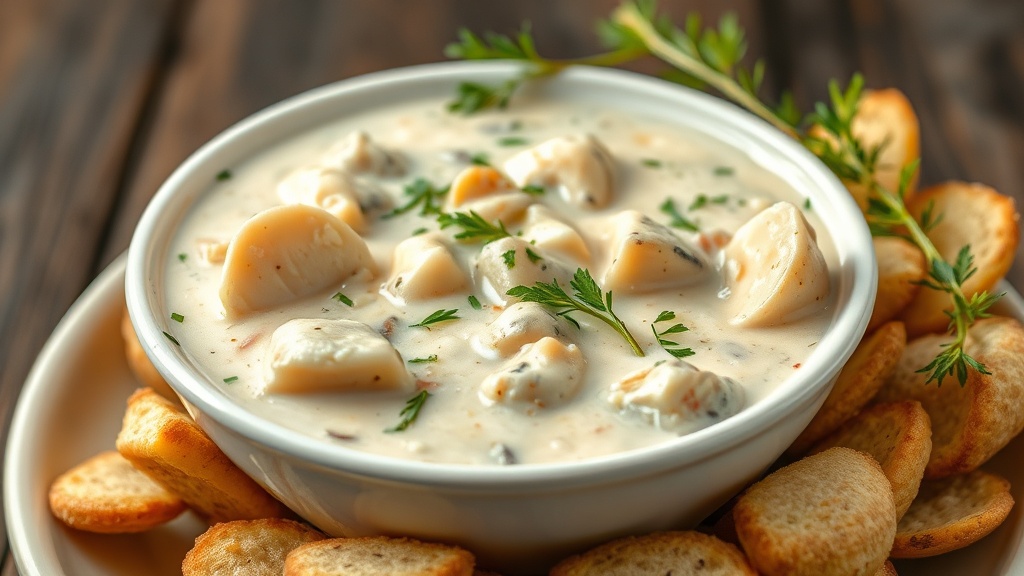
    clam chowder image

    Sourcing sustainably
    Look for clams labeled as sustainably harvested or farmed to support healthy coastal ecosystems. Local fishmongers can advise on seasonal availability and freshness, which directly impacts chowder flavor.

    Clam chowder adapts easily to different kitchens and diets, making it a reliable choice for family dinners, seafood nights, and cozy gatherings. With a few technique tweaks, anyone can turn simple ingredients into a deeply satisfying bowl.

  • How to Make Clam Chowder: Ultimate Guide to New England & Manhattan Styles, Tips, and Dairy‑Free Options

    Clam chowder is a comforting, versatile soup that showcases the briny sweetness of clams in a creamy or brothy base. Whether you crave the thick, velvety New England style or the tomato-forward Manhattan version, understanding the fundamentals helps you make a bowl that sings with seafood flavor and balanced texture.

    Start with quality clams and clam juice. Fresh clams steamed in a bit of water release a flavorful broth that becomes the foundation of the chowder; if fresh shellfish aren’t available, bottled clam juice plus canned clams are reliable substitutes.

    For deeper savory notes, render some salt pork or bacon and use the fat to sauté onions and celery — those aromatics are essential for classic chowder flavor.

    Two main approaches produce different textures. New England clam chowder relies on dairy and usually potatoes to create a creamy, hearty result: sweat onions in fat, stir in a bit of flour to form a roux, then gradually whisk in clam juice and milk or cream until the base thickens. Add diced potato early so it softens and releases starch, helping to thicken the chowder naturally.

    For Manhattan clam chowder, build flavor with tomatoes, garlic, and herbs in a lighter broth without cream; it’s brighter and pairs superbly with crusty bread.

    Key technique tips:
    – Add clams near the end of cooking and warm them through gently; prolonged high heat makes clams tough.
    – If you prefer a smoother chowder, mash some cooked potatoes against the pot to thicken without extra flour.
    – To avoid curdling when using dairy, temper cream by whisking in a few spoonfuls of hot broth before adding it to the pot, and keep simmering gentle.
    – For gluten-free chowders, substitute cornstarch or a potato slurry for flour in the thickening step.

    Dietary adaptations expand chowder’s appeal. Dairy-free versions work well with full-fat coconut milk or cashew cream; pair with lime or sherry vinegar to brighten richness.

    Vegetarian “clam” chowders can mimic brininess using oyster mushrooms, kelp powder, or a splash of liquid aminos, combined with a hearty potato base and smoked paprika to add depth.

    Serving and pairings enhance the experience. Classic accompaniments include oyster crackers, crusty sourdough, or a warm bread bowl for an indulgent presentation. Garnishes like chopped chives, parsley, crisp bacon bits, or a drizzle of olive oil add freshness and texture.

    For beverages, a clean, unoaked white wine or a crisp pilsner complements creamy chowder, while a lighter red or a brown ale suits tomato-based versions.

    Make-ahead, storage, and reheating notes: chowder often tastes better the next day as flavors meld. Store in airtight containers in the refrigerator for a few days. When reheating, warm gently over low heat and stir frequently; add a splash of milk or broth if the chowder thickened in the fridge. Freezing is possible but may slightly alter the texture of dairy-based chowders; if freezing, consider leaving out the dairy and adding it when reheating.

    clam chowder image

    Clam chowder’s regional variations and adaptability make it an all-season favorite. Mastering a few core techniques — building flavor from the clam broth, controlling heat around dairy and seafood, and choosing the right thickener — lets you tailor the recipe to pantry ingredients and dietary needs while preserving the dish’s coastal roots. Enjoy experimenting with briny, creamy, or tomato-forward versions to find your ideal bowl.

  • Clam chowder remains one of the most comforting, versatile dishes in coastal and home kitchens alike.

    Clam chowder remains one of the most comforting, versatile dishes in coastal and home kitchens alike. Whether you prefer the creamy, silky New England style or the bright, tomato-forward Manhattan version, mastering a great clam chowder is about balancing clams, broth, aromatics, and texture.

    Choosing the clams
    Fresh clams give the best flavor, but quality canned clams and bottled clam juice are excellent shortcuts. When buying fresh, look for tightly closed shells and a clean, briny aroma. Littlenecks and cherrystones are ideal for chowder because they have tender meat and a pronounced sea-salty flavor. If you use canned clams, reserve the juice—it’s liquid gold for depth of flavor.

    Base and body
    New England clam chowder relies on a creamy base. Start by sweating onion and celery in butter until translucent, then add diced potato to create body.

    A classic technique is making a light roux (equal parts butter and flour) before adding clam juice and milk or cream—this yields a smooth, velvety finish.

    For a lighter chowder, use whole milk or a mix of milk and half-and-half; for indulgence, use heavy cream.

    If you prefer a tomato-based Manhattan chowder, sauté the aromatics with bacon or pancetta for savory depth, then stir in crushed tomatoes and clam juice.

    Manhattan is brighter and less rich, allowing clam flavor to shine through a tangy base.

    Thickening tricks
    Potatoes naturally thicken chowder as they break down. For extra silkiness, mash a portion of the cooked potatoes against the pot and stir back in. Another option is rice or pearl barley—both release starch and add a subtle nutty note. A traditional roux provides structure without changing flavor much; add roux gradually to the simmering liquid to avoid lumps.

    Timing and texture
    Overcooked clams become rubbery. Add clam meat at the very end of cooking—just long enough to warm through. If using small fresh clams steamed open in their shells, reserve the cooking liquor, strain it, and add to the broth for a deeper profile. For larger clams, chop meat into bite-sized pieces for even distribution.

    Flavor boosters
    A splash of dry white wine or a teaspoon of smoked paprika can add complexity. Fresh thyme and bay leaves are classic aromatics; finish with chopped parsley for brightness. For a smoky note, render bacon or salt pork first and use the fat to sauté aromatics—crispy bacon makes a perfect garnish.

    Dietary variations
    Chowder adapts well to dietary needs. For gluten-free chowder, skip the flour roux and rely on mashed potatoes or rice for thickness, or use a gluten-free flour blend.

    Dairy-free versions can use full-fat coconut milk or unsweetened oat cream paired with extra clam juice for umami.

    clam chowder image

    Serving and pairing
    Serve clam chowder hot with oyster crackers, crusty bread, or a sourdough bowl for a dramatic presentation. Crisp light beers, dry whites like unoaked Chardonnay or Muscadet, and even a citrusy hard cider complement the briny, creamy notes.

    Storage and reheating
    Chowder keeps well refrigerated for a few days. Reheat gently over low heat to avoid breaking the emulsion—add a splash of clam juice or milk if it thickens too much. Freeze only if the chowder was made without dairy, or use dairy-stable alternatives; otherwise freeze components separately and combine when reheating.

    Creative twists
    Consider adding roasted corn, chowder-style mussels, or a touch of curry powder for a global spin. Clam chowder’s simplicity welcomes experimentation while still honoring its maritime roots—an endlessly satisfying canvas for home cooks. Try a few methods and tune the base, thickness, and seasonings until you find your perfect bowl.

  • How to Make the Best Clam Chowder: Recipes, Techniques & Vegan Swaps

    Clam chowder is one of those timeless comfort foods that tastes like coastline in a bowl: briny clams, tender potatoes, and a rich broth that’s equally at home at a seaside shack or a cozy kitchen table. Whether you prefer a creamy, velvety New England-style chowder or a bright, tomato-forward Manhattan version, mastering a few techniques elevates every batch.

    What makes great clam chowder
    – Balance of flavors: salty-sweet clam liquor, savory aromatics, and the creaminess or acidity that defines the style.
    – Texture: small dice potatoes for body without mushiness, firm clams that retain a slight chew, and a broth that clings lightly to a spoon.
    – Freshness: fresh clams, good-quality clam juice, or well-drained canned clams make a measurable difference.

    Quick technique tips
    – Build flavor early: render bacon or salt pork until crisp, then use the fat to gently sweat onions, celery, and sometimes leeks. This creates a savory base.
    – Thicken smartly: a roux (butter + flour) gives a smooth culinary backbone. Alternatively, partially mashing a few cooked potatoes adds natural starch and body.
    – Avoid overcooking clams: if using fresh clams, add them toward the end to prevent toughness.

    Canned clams just need warming.

    clam chowder image

    – Dairy care: add cream or milk off the direct heat and warm gently to prevent separation. For a lighter result, use a mix of half-and-half and milk.

    Regional variations to explore
    – New England-style: creamy and thick, typically made with heavy cream or milk, potatoes, onions, and sometimes bacon.
    – Manhattan-style: tomato-based, lighter and tangy, with carrots and celery often taking on larger roles.
    – Rhode Island/clear-broth: simpler, allowing clam flavor to dominate without dairy or tomatoes.

    Ingredient sourcing and sustainability
    Choose littlenecks or cherrystones for chowder—their tender texture and briny flavor work well.

    When buying fresh clams, select ones with closed shells or those that close when tapped; discard any that remain open. Purge sand by soaking clams in salted water for an hour before cooking.

    If fresh clams aren’t accessible, high-quality bottled clam juice and well-drained canned clams are excellent stand-ins. Look for responsibly harvested labels when available.

    Dietary swaps and vegan options
    – Gluten-free: replace flour roux with cornstarch slurry or rely on mashed potatoes for thickness.
    – Lighter chowder: use milk with a touch of butter instead of heavy cream, and increase clam juice for flavor.
    – Vegan “clam” chowder: use king oyster mushrooms for a meaty bite and add sea vegetables (dulse, kelp granules) for a marine umami. Coconut milk or cashew cream mimics richness.

    Storage and reheating
    Refrigerate chowder in an airtight container for a few days. Dairy-based chowders can separate when frozen; if freezing is planned, cool and freeze before adding cream, then reintegrate cream when reheating. Reheat gently over low heat, stirring to keep the texture smooth.

    Pairing and serving
    Serve with classic oyster crackers, crusty sourdough, or a buttery roll. For drinks, a crisp white wine like unoaked Chardonnay or a light pilsner complements the briny richness without overpowering it. Garnishes like chopped parsley, chives, or a drizzle of good olive oil add color and freshness.

    Whether you stick to a family recipe or experiment with tomato, cream, or plant-based versions, clam chowder is endlessly adaptable.

    Start with high-quality clams or clam juice, pace the cooking, and focus on seasoning—small adjustments deliver big payoffs in every spoonful.

  • Clam Chowder Recipe: How to Make New England, Manhattan & Rhode Island Styles

    Clam chowder is a cornerstone of coastal comfort cooking — a bowlable blend of briny seafood, tender potatoes, and savory aromatics that feels like a warm hug on a cold evening. Whether you crave the rich creaminess of a classic New England version or the bright tomato-forward Manhattan style, chowder is endlessly adaptable and rewarding to make at home.

    Styles to know
    – New England clam chowder: Cream-based and velvety, with clams, potatoes, onions, and often salt pork or bacon for depth. Thickened by a roux or potato starch for that characteristic body.
    – Manhattan clam chowder: Tomato-based, lighter in texture but bold in flavor. It highlights tomatoes, celery, and sometimes carrots, creating a stew-like chowder with a red broth.
    – Clear clam chowder (Rhode Island-style): A lighter, broth-driven preparation that lets pure clam flavor shine without cream or tomatoes.

    Ingredients and technique essentials
    – Clams: Fresh littlenecks or cherrystones are ideal when available; steam them until they open and reserve the cooking liquid (clam liquor) to boost savory depth. Canned clams are a convenient, flavorful alternative—use the juices from the can to enrich the broth.
    – Base and thickening: Start with a soffritto of onion, celery, and sometimes carrot.

    For cream chowder, make a light roux (butter + flour) and gradually add clam liquor and stock before finishing with milk or cream.

    Potatoes (Yukon Gold for creaminess or russets for fluffier texture) add body; their starch also helps thicken the chowder naturally.
    – Avoid curdling: Temper dairy by whisking a small amount of hot broth into cream or milk before adding it to the pot.

    clam chowder image

    Simmer gently—boiling can break the emulsion and cause separation.
    – Seasoning: Keep salt conservative until clams and clam liquor go in, since they can increase salinity. Freshly ground black pepper, a bay leaf during simmering, and a splash of acid (vinegar or lemon) at the end brighten the flavors.

    Flavor boosters and variations
    – Smoke and umami: Crisped bacon or salt pork renders savory fat for sautéing aromatics; finish with a drizzle of smokey oil for extra depth.
    – Herb finishes: Chopped parsley or chives added at the end keeps the herb flavor vibrant.
    – Seafood add-ins: Shrimp or chunks of firm white fish complement clams without overpowering the chowder.
    – Dietary swaps: Use coconut milk or unsweetened oat milk for dairy-free versions; a cornstarch slurry or more starchy potatoes can thicken chowder without a roux for gluten-free needs.

    Serving and pairing
    Serve chowder with oyster crackers, a crusty sourdough loaf, or hollowed-out bread bowls for a satisfying presentation. Light, acidic sides—simple green salads or a vinegar-based slaw—balance the richness. For beverages, crisp white wines or a bright pilsner complement the briny flavors.

    Storage and reheating
    Chowder keeps well refrigerated for a few days.

    Reheat gently on the stovetop over low heat, adding a splash of stock or water if the soup has thickened in the fridge; avoid high heat to prevent dairy separation.

    Freeze cream-based chowder only if necessary—texture may change after thawing, so plan to consume refrigerated leftovers first.

    Whether you stick to a classic recipe or experiment with global twists, clam chowder rewards attention to quality ingredients and gentle technique. The result is a soulful bowl that celebrates coastal flavors and comforts the senses. Enjoy customizing it to your pantry and palate.

  • How to Make Clam Chowder: Classic New England & Manhattan Recipes, Tips & Fresh Twists

    Clam Chowder: Classic Comfort with Fresh Twists

    Clam chowder is a culinary icon that spans coastlines and kitchens, prized for its comforting creaminess, briny clams, and satisfying aromas. Whether you crave the creamy richness of a traditional white chowder or the bright tomato base of other regional styles, understanding the basics will help you make a bowl that tastes like it came from a seaside clam shack.

    Core styles and what sets them apart
    – New England (cream-based): Thick, velvety, and usually made with diced potatoes, onions, clams, clam juice, cream or milk, and bacon or salt pork for depth. The cream and potato create that signature lush texture.
    – Manhattan (tomato-based): Lighter and more acidic, this version uses a tomato broth with vegetables like celery and carrots, and often includes herbs such as oregano or basil.

    It’s bright and less heavy than cream varieties.
    – Rhode Island / Clear-broth: A less common but elegant style that highlights the pure flavor of clams in a simple broth seasoned with garlic, butter, and herbs—great when clams are fresh and sweet.

    Choosing clams and clam products
    Littlenecks and cherrystones are ideal for chowder: they’re meaty but not tough when cooked properly. Fresh clams add the best flavor, but canned clams and bottled clam juice are excellent, convenient substitutes that still produce a flavorful broth. If using fresh clams, purge them in cold, salted water to remove sand and steam them until shells open—discard any that remain closed.

    Techniques for a smoother chowder
    – Avoid overcooking clams: Add them near the end of cooking to keep them tender.

    Overcooked clams become rubbery.
    – Use a flavorful base: Render bacon or salt pork first, then sauté onions and celery in the fat to build savory depth.
    – Control thickness: Mash a portion of cooked potatoes against the pot to naturally thicken the chowder, or make a roux with butter and flour for a silkier finish. Add cream or milk off the boil to prevent curdling.
    – Layer flavors: Boost umami with a splash of fish sauce or a few anchovy fillets melted into the base—used sparingly, these enhance brininess without tasting fishy.

    Variations and dietary tweaks
    Chowder is forgiving and lends itself to many variations. For a gluten-free bowl, thicken with pureed potato or use a gluten-free flour. Swap dairy for coconut milk or a cashew cream for a dairy-free, slightly sweet alternative. Add corn, fennel, or fennel fronds for aromatic lift. For a smoky twist, use smoked bacon or finish with a touch of smoked paprika.

    Serving, storing, and reheating
    Serve chowder in warmed bowls with oyster crackers or crusty sourdough for dipping. Garnish ideas include chopped chives, parsley, crispy bacon, or a squeeze of lemon to brighten the richness. Store leftovers covered in the refrigerator for safe enjoyment for a couple of days; when reheating, warm gently over low heat and stir frequently to avoid separating the cream. If the chowder thickens too much after chilling, thin it with a little reserved clam juice, milk, or water.

    Sustainability and seasonality
    Choose clams from well-managed fisheries and local sources when possible to support sustainable harvesting.

    Locally harvested shellfish are often fresher and more flavorful, and buying from reputable suppliers ensures safety and quality.

    clam chowder image

    A bowl of clam chowder can be simple or sophisticated—what matters most is respecting the clam’s flavor and balancing richness and acidity. With a few technique tweaks and quality ingredients, you’ll elevate a classic comfort dish into a memorable meal.

  • Exploring the World of Clam Chowder: A Seafood Lover’s Guide to Regional Variations

    The Charm of Clam Chowder: A Culinary Journey

    An unmistakable delight of seafood cuisine, clam chowder has long been a cherished dish across various cultures and regions. This comforting and savory concoction of clams, broth, potatoes, onions, and sometimes celery, has the unique ability to transport us to the breezy coastlines where it originates. Today we’ll delve into the nuances and charm of this much-loved classic.

    The clam chowder’s humble beginnings can be traced back to the fishing villages along the East Coast of North America. Each region has its own distinct interpretation, transforming the common clam chowder into a variety of tantalizingly different flavors. A testament to its versatility and enduring appeal, the clam chowder has evolved to adapt to the local tastes and ingredients of the places it has traveled.
    Perhaps the most recognized versions are the New England clam chowder and the Manhattan clam chowder. The former is a creamy delight, characterized by its rich, milk or cream-based broth.

    It’s a cozy, hearty dish, often served in a bread bowl, that has become a staple of New England cuisine.

    In contrast, the Manhattan clam chowder is tomato-based, adding a tangy twist to the traditional recipe. Its clear, red broth is often teeming with tomatoes, vegetables, and a generous serving of succulent clams.

    But don’t let these two versions limit your clam chowder experience.

    There’s a world of clam chowder waiting to be explored. The Rhode Island clam chowder, for instance, boasts a clear broth, spiced-up with herbs, allowing the freshness of the clams to take center stage. On the West Coast, the Pacific Northwest clam chowder introduces smoked salmon, paying homage to the local seafood industry.

    It’s also worth noting that clam chowder is not just a culinary delight, but a cultural touchstone.

    In the United States, it’s been an integral part of many celebrations, festivals, and cook-offs, celebrated for its ability to bring people together through a shared love of food. The Great Chowder Cook-Off, held annually in Newport, Rhode Island, sees chefs from across the nation compete to create the most delicious and innovative chowders.

    While the debate over which version of clam chowder reigns supreme is endless, the secret to a great clam chowder lies in the balance of flavors and the freshness of ingredients.

    Therefore, when trying your hand at preparing this dish at home, always opt for the freshest clams and vegetables available.

    Clam chowder is best enjoyed with a side of crusty bread, perfect for sopping up the last bits of broth from your bowl. Whether you’re a fan of the cream-based New England Clam Chowder or the tomato-rich Manhattan version, this dish is a celebration of coastal cuisine, reflecting a love for seafood in every spoonful.

    clam chowder image

    In the end, the clam chowder is more than just a soup. It’s a culinary tradition, a symbol of regional pride and a comforting dish loved by many. From the fishing villages of New England to the trendy restaurants in the bustling metropolis, the clam chowder continues to win hearts with its rich flavors and creamy consistency. So go ahead, take a gastronomic plunge into the world of clam chowder and savor the taste of the sea, one spoonful at a time.

  • Deep Dive into Clam Chowder: History, Variations, and the Secret to its Delectable Flavor

    Understanding the Delectable Delight Known as Clam Chowder

    Clam chowder, a heartening soup that has cemented its place in the culinary world, is a dish that has stood the test of time. Renowned for its comforting blend of clams, potatoes, onions, and a rich creamy broth, it’s a staple of coastal regions, particularly in northeastern United States. This classic soup is beloved by many for its savory flavor and heartwarming properties that seem to personify the sea itself. But what exactly is clam chowder and what makes it so special?

    The Origins of Clam Chowder

    While the exact origins of clam chowder are somewhat unclear, its roots are deeply intertwined with the history of the Americas. It’s believed that the first settlers crafted this hearty stew from the abundant shellfish in the New England area. Over time, the dish evolved, adopting a cream-based broth that is now iconic of the New England-style clam chowder we know and adore today.

    Variations of Clam Chowder

    Clam chowder’s widespread popularity has led to a variety of interpretations across different regions. The New England style is undeniably the most recognized with its creamy consistency and use of salt pork. On the other hand, Manhattan clam chowder, another popular variant, incorporates tomatoes for a tangier, broth-based soup. The Rhode Island version skips cream and tomatoes altogether, offering a clear broth that highlights the natural flavor of the clams. There’s even a Minorcan clam chowder that features datil peppers, giving it a unique spicy kick.
    The Essential Ingredients

    Regardless of its variant, all clam chowder recipes have a few core ingredients. Clams, naturally, are the star of the show. Fresh clams are ideal, but canned clams can work in a pinch. A robust base is built from onions, celery, and potatoes.

    clam chowder image

    With a creamy chowder, heavy cream or milk is needed for the soup’s signature richness.

    For a clear or tomato-based chowder, a flavorful stock is necessary.

    The Perfect Companion: Oyster Crackers

    No bowl of clam chowder is complete without a handful of oyster crackers on top.

    These small, round crackers add a pleasing crunch and help to slightly thicken the soup. Oyster crackers are a natural fit for clam chowder, offering a subtle compliment that enhances the overall experience.

    The Health Benefits

    Beyond its rich, satisfying flavor, clam chowder also offers a host of health benefits. Clams are an excellent source of protein, vitamin B12, iron, and healthy omega-3 fatty acids. Meanwhile, the vegetables contribute important nutrients and fiber. However, it’s important to enjoy clam chowder in moderation due to its high sodium and fat content, especially in its creamier versions.

    Serving and Enjoying Clam Chowder

    Clam chowder is traditionally served piping hot, often in a sourdough bread bowl, particularly in the San Francisco area. The combination of the soup with the tangy, chewy bread creates a delightful culinary experience that is hard to resist. A hearty bowl of clam chowder is the perfect meal on a chilly day, providing warmth and comfort with every spoonful.

    In essence, clam chowder is more than just a soup; it’s a culinary tradition steeped in history and local flavor.

    Whether you prefer the creamy New England style, the tomato-based Manhattan version, or the clear-broth Rhode Island variant, there’s a clam chowder out there for everyone.

    This comforting dish continues to win hearts with its delightful combination of flavors and textures, proving that it’s a timeless classic worth savoring.

  • 1. “Mastering Your Chowder Game: Innovative Tips to Upgrade Your Clam Chowder”

    Elevating Your Clam Chowder Experience: A Journey Beyond the Traditional Bowl

    Clam chowder, a hearty favorite, has been part of our culinary landscape for centuries. This comforting blend of clams, milk or cream, potatoes, onions and sometimes bacon, has morphed, adapted, and evolved over time, reflecting the areas where it’s most savored while embodying the adaptability of classic recipes.

    Clam chowder’s regional variations are a testament to its versatility. The creamy New England clam chowder, the tomato-based Manhattan clam chowder, the clear broth Rhode Island clam chowder, and the Hatteras clam chowder — all are diverse yet united by the deliciousness of the humble clam. Today, we delve into the art of elevating your clam chowder experience, venturing beyond the traditional bowl.

    Let’s start with the base ingredient: the clams. Fresh is nearly always best.

    If you have access to fresh clams, use them. They not only provide meat but also a flavorful broth that serves as a perfect soup base.

    If fresh clams are out of reach, don’t fret. Canned clams, if handled well, can be quite marvelous.

    clam chowder image

    Marinating canned clams in white wine or a little vinegar can help them shed the ‘canned’ taste and imbue a depth of flavor.

    The secret to a great clam chowder also lies in the harmony of ingredients.

    Remember, it’s not just about the clams. Incorporating seasonal vegetables can add a whole new dimension to your chowder.

    Consider adding sweet corn in late summer for a burst of sweetness, or kale in the winter for a nutrient boost. Don’t shy away from experimenting with unique ingredients like roasted fennel or bell peppers, they bring in an unexpected twist making your clam chowder stand out.

    When it comes to the broth, most prefer a rich, creamy base. But consider giving the dairy-free versions a try. Utilizing a flavorful vegetable broth or a clam juice base can render your soup lighter yet still delicious. You could also consider using non-dairy milk, like coconut milk, for an exotic touch.

    The texture of your clam chowder can also be a playground for creativity. Traditionally, clam chowder is a chunky soup with pieces of clam, potato, and other vegetables. But if you’re a fan of smooth, blended soups, why not try puréeing your chowder? A well-blended clam chowder can provide a sumptuous, velvety mouth-feel that’s simply divine.

    Lastly, don’t forget the toppings. A dollop of fresh cream, a sprinkle of freshly chopped herbs, some crumbled bacon, or even a touch of spice through chilli flakes or hot sauce can elevate the chowder from good to extraordinary. The garnishes not only provide a splash of color but also add a contrasting texture or flavor, enhancing the overall chowder experience.

    Innovating classic recipes is the hallmark of a thriving culinary scene. While we value and treasure the traditional clam chowder recipes, it’s also exciting to see how we can tweak and adapt them to our evolving palates. So, next time you’re in the kitchen, ready to cook up a pot of clam chowder, don’t hesitate to experiment a little.

    Who knows? You might create a new clam chowder sensation that’s all your own!

  • Discovering America’s Favorite Comfort Food: The Versatility and Allure of Clam Chowder

    Unveiling the Allure of Clam Chowder: A Comfort Food for All Seasons

    One cannot talk about classic American comfort foods without reserving a special place for clam chowder, a creamy, flavorful soup brimming with tender clams, diced potatoes, and a medley of vegetables. With its origins in fishing communities along the northeastern coastlines of the United States, clam chowder has undeniably become a staple on dinner tables and restaurants nationwide.

    The Proliferation of Clam Chowder Varieties

    clam chowder image

    What makes clam chowder particularly fascinating is its diversity. Across the United States, you’ll find four primary styles of this delightful dish, each with its unique charm and flavor profile. The New England clam chowder, arguably the most popular variant, boasts a creamy, milk or cream-based broth, an abundance of clams, diced potatoes, and onions.

    On the other hand, the Manhattan clam chowder, initially popularized by Italian immigrants, takes a divergent approach. It features a tomato-based broth, giving the soup a slightly acidic tang which beautifully complements the brininess of the clams.

    The Rhode Island clam chowder, staying true to its coastal roots, embraces a clear, broth-centric approach. This variation allows the natural flavors of the clams, supported by the subtle undertones of the herbs and vegetables, to shine through.

    Lastly, the Hatteras clam chowder, a special variant from the Outer Banks of North Carolina, features a clear broth like Rhode Island’s version but generally has more vegetables, creating a heartier soup.

    Choosing Your Clams

    The type of clams used in the chowder can have a significant impact on the dish’s final flavor. Hard-shell clams, like quahogs or cherrystones, are often the preferred choice due to their robust flavor and larger size.

    Soft-shell clams, such as steamers or razors, can also be used, but their delicate flavor might get lost amidst the other ingredients.

    When cooking, the clams’ juices are usually retained and added back into the chowder, enhancing the overall seafood flavor.

    For those who prefer a more convenient option, canned clams, along with their juices, can be an excellent substitute.

    The Power of Seasoning

    Seasoning plays a critical role in clam chowder, elevating the flavors and adding depth to the dish.

    Traditional seasonings include bay leaf, thyme, and black pepper.

    However, contemporary versions of the dish have begun to incorporate non-traditional spices like smoked paprika, fennel, and even saffron.

    Whether you’re enjoying a rustic New England clam chowder on a chilly winter evening or a bowl of vibrant Manhattan style on a breezy summer afternoon, the versatility of clam chowder is a testament to its enduring appeal.

    From the Sea to the Table

    The journey of clam chowder from humble, coastal origins to nationwide recognition is a testament to its irresistible allure.

    Today, it’s more than just a dish; it’s part of America’s culinary identity, offering a comforting bowl of home to both locals and visitors alike.

    Currently, many chefs and home cooks alike are putting their spin on this classic dish, making it an exciting time for clam chowder enthusiasts.

    No matter where you go in the United States, you’re bound to find a pot of clam chowder bubbling away, waiting to bring comfort and warmth to the next lucky diner.