New England Sun

Bright Takes from the Northeast

Category: vermont skiing

  • Vermont Skiing Guide: Best Resorts, Family-Friendly Tips, and Après-Ski Essentials

    Vermont skiing blends classic New England charm with serious mountain terrain, making it a top choice for skiers and snowboarders looking for varied runs, cozy base towns, and reliable snow conditions. Whether you chase fresh powder on steep chutes or prefer gentle groomers for family lessons, Vermont delivers a memorable winter getaway.

    Why Vermont stands out
    Vermont’s compact mountains create an intimate ski experience — lift lines are manageable, villages are walkable, and a short drive can get you from a quiet backcountry access point to a bustling resort.

    Strong snowmaking infrastructure across the state helps extend the season and smooth over low-snow stretches.

    Many resorts also invest heavily in grooming and terrain parks, so the quality of runs is high from first chair to last.

    Top ski areas to consider
    – Killington: Known as a big-mountain East destination, Killington offers extensive terrain, diverse trails for intermediates and experts, and a lively après-ski scene.

    Long vertical and terrain parks keep advanced riders engaged.
    – Stowe: Classic New England skiing with iconic views of Mount Mansfield.

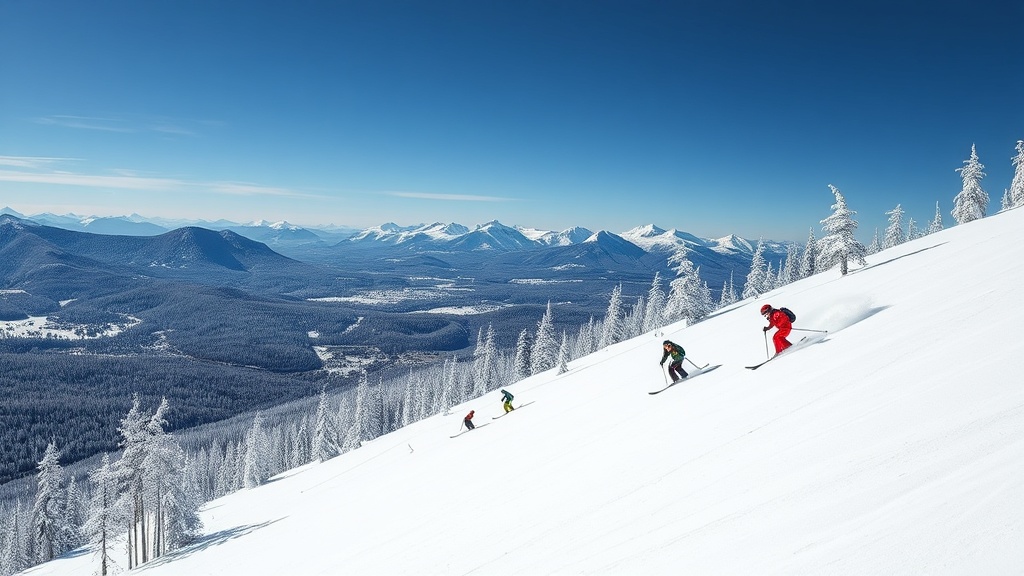
    vermont skiing image

    Ideal for skiers who want a mix of challenging trails and charming town amenities — fine dining, cozy inns, and a strong ski-culture vibe.
    – Sugarbush: Two distinct peaks deliver variety for all ability levels, plus a reputation for well-maintained trails and scenic lifts.
    – Jay Peak: Famous for abundant natural snowfall and glade skiing. A great pick for powder hounds and adventurous skiers.
    – Smugglers’ Notch: Family-focused with excellent children’s programs, progressive learning terrain, and full-service family amenities.
    – Mount Snow: Accessible from southern New England and known for terrain parks and snowmaking that keeps the mountain active even during variable weather.

    Practical tips for visitors
    – Buy lift tickets early and look for multi-resort or value passes to save money. Mid-week skiing often yields quieter slopes and lower lodging rates.
    – Lessons are a worthwhile investment for beginners and intermediates. Group clinics and private lessons speed improvement and build confidence.
    – Rental and demo centers at major resorts make it easy to try new gear without shipping equipment. Book popular models ahead of time.
    – Drive prepared: winter tires and a basic roadside kit are essential for winding mountain roads. Check resort parking options, and consider shuttle services when available.

    Off-mountain activities and après-ski
    Vermont’s ski regions offer more than downhill runs. Popular options include cross-country and snowshoe trails, scenic sleigh rides, brewery and cider stops, boutique shopping, and spa services. Family resorts typically provide indoor pools and activity centers, while romantic getaways might focus on fireplaces, farm-to-table dining, and scenic sleigh tours.

    Safety and responsible recreation
    If venturing into backcountry or glade skiing, carry avalanche safety gear (transceiver, probe, shovel), take an avalanche-awareness course, and check local hazard reports. Resorts actively work on sustainability: energy-efficient snowmaking, habitat restoration, and community programs are increasingly part of the ski experience.

    Supporting local businesses — gear shops, restaurants, and guides — helps preserve the mountain communities that keep Vermont skiing vibrant.

    With varied terrain, friendly towns, and year-round resort improvements, Vermont remains a smart choice for skiers seeking an authentic New England winter experience. Plan ahead, pack layers, and you’ll find the slopes ready to reward you.

  • Vermont Skiing: Top Resorts, Family-Friendly Slopes & Backcountry Tips

    Vermont Skiing: Where Classic New England Charm Meets Modern Mountain Fun

    Vermont is synonymous with classic New England skiing: tree-lined trails, cozy base lodges, and a mix of family-friendly hills and challenging steeps. Whether chasing fresh corduroy, exploring glade runs, or trying cross-country routes, Vermont delivers accessible terrain and authentic après-ski without the crowds found in larger mountain states.

    Pick the Right Resort for Your Goals
    – Families and beginners: Resorts with strong learn-to-ski programs and gentle slopes make Vermont a great place to start. Many areas emphasize dedicated beginner zones, magic carpets, and certified instructors for kids and adults.
    – Advanced skiers and snowboarders: Expect steep falls, technical glades, and well-built terrain parks. Some mountains concentrate advanced terrain on particular faces, so check trail maps and lift access ahead of time.

    vermont skiing image

    – Nordic and backcountry: For quieter, scenic touring, Vermont’s network of groomed cross-country centers and backcountry access points offer variety.

    Nordic centers often rent classic and skate skis and host guided tours.

    Snow and Snowmaking
    Vermont’s ski areas balance natural snowfall with robust snowmaking systems to extend seasons and protect conditions when natural snow is light. Good snowmaking infrastructure combined with grooming keeps trails in skiable shape through variable weather, so check current snow reports and mountain cams before you head out.

    Where to Stay and How to Travel
    Mountain lodges, inns, and nearby towns provide a range of lodging from rustic cabins to full-service hotels with spa amenities. Staying in a nearby town offers dining and entertainment options beyond the resort, while on-mountain lodging gets you out the door first thing in the morning. Major regional airports and scenic drives connect to most ski areas; factor in winter driving conditions and local shuttle services when planning.

    Practical Tips for a Smooth Trip
    – Book lessons and rentals in advance, especially on busy weekends and holiday periods. Many resorts offer packaged deals that include lessons, equipment, and lift access.
    – Layer smart: moisture-wicking base layers, an insulating mid-layer, and a waterproof shell work best. Don’t forget hand warmers, goggles with multiple lens options, and a helmet.
    – Lift tickets and multi-resort passes: Check whether single-day tickets, season passes, or multi-resort programs offer the best value for your trip plans. Flexible booking and refundable options add peace of mind.
    – Dining reservations and parking: Popular spots fill quickly. Look into early dining or off-peak meal times to avoid waits, and check whether the resort offers shuttle or valet services to limit parking hassle.

    Sustainable Skiing and Community
    Many Vermont ski areas are investing in energy-efficient snowmaking, waste reduction, and trail stewardship programs. Community-oriented initiatives—like local food sourcing at base lodges and partnerships with land trusts—help preserve the mountain environment and support surrounding towns.

    Safety and Backcountry Awareness
    Vermont’s avalanche risk is generally lower than some western ranges, but backcountry travel still demands respect for changing weather and snowpack. Carry appropriate safety gear (beacon, shovel, probe), check local avalanche advisories, and consider hiring a guide if unfamiliar with the terrain.

    Why Vermont Stands Out
    With compact ski areas, charm-rich base villages, and a wide spectrum of winter activities—ski lessons for little ones, terrain parks, guided tours, and Nordic trails—Vermont offers a quintessential New England ski experience.

    Whether seeking family time, a technical challenge, or peaceful touring through snowy woods, the state’s hills deliver approachable mountains and memorable winter days.

  • Vermont Skiing Guide: Resorts, Family Fun & Apres-Ski

    Vermont skiing blends small-town charm with a surprisingly varied mountain experience, making it a top choice for anyone seeking classic New England snow. From tight, tree-lined glades and family-friendly beginner areas to long cruisers and lively terrain parks, Vermont’s ski scene serves a wide range of skiers and boarders while keeping that unmistakable local flavor.

    What to expect on the slopes
    Vermont’s mountains are known for their steep pitches, rock-solid grooming, and extensive glade networks.

    Resorts like those clustered in the northern and central parts of the state offer everything from gentle learner trails to long technical runs. Lift systems are modern at many resorts, and investment in snowmaking keeps winter seasons consistent across varying weather patterns. Terrain parks are well maintained for freestyle riders, while dedicated race programs and ski schools cater to all ages and abilities.

    Best experiences off the lift
    The state’s après-ski scene is approachable and authentic. Village bases and nearby towns host craft breweries, cozy taverns, farm-to-table restaurants, and artisan shops.

    Vermont’s reputation for maple syrup, cheese, and hearty comfort food means après meals tend to be memorable. For a quieter alternative, try snowshoeing or fat-biking on groomed trails, or explore extensive cross-country networks for a different pace and scenic variety.

    vermont skiing image

    Family-friendly options
    Many resorts specialize in family services—beginner slopes, magic carpets, childcare, and progressive learning areas.

    Dedicated kids’ programs and family passes make Vermont a strong option for multi-generational trips. For families wanting more relaxation, look for resorts that combine childcare with on-site lodging and easy access to village amenities.

    Backcountry and safety
    Vermont’s glades and backcountry approaches attract experienced skiers and splitboarders seeking fresh tracks. Avalanche risk is lower than in some western ranges, but conditions can still be hazardous. Always check local avalanche advisories, carry appropriate rescue gear, and consider hiring a guide if you’re unfamiliar with the terrain. Many local shops and mountain centers offer avalanche-awareness courses.

    Sustainability and mountain stewardship
    Resorts across the state emphasize sustainability through energy-efficient snowmaking, habitat conservation, and waste-reduction programs.

    Community-supported initiatives, trail restoration projects, and partnerships with local farms reflect an ongoing commitment to preserving the landscape that draws skiers year after year.

    Practical planning tips
    – Book lift tickets and lessons online in advance to secure preferred times and savings.
    – Travel midweek for lighter lift lines and easier parking.
    – Layer clothing: conditions can vary greatly between base areas and summits.

    – Rent locally if you don’t ski frequently; demo programs let you try the latest gear without a big commitment.
    – Check real-time mountain reports for trail openings and snow conditions before heading out.

    Beyond skiing: seasonal attractions
    Combine a ski trip with a scenic drive to enjoy leaf-peeping in the shoulder seasons, visit a maple sugaring operation, or sample local breweries and distilleries. Many ski towns run winter markets, concerts, and festivals that add cultural flavor to a mountain getaway.

    Whether you’re carving fresh powder for the first time or chasing a new local favorite, Vermont offers an approachable, varied ski experience centered on community, strong snowmaking, and genuine New England hospitality. Check resort updates and local travel advisories before you go, pack smart, and leave room on the itinerary for the unexpected pleasures that make a Vermont ski trip special.

  • Vermont skiing blends classic New England charm with varied terrain that suits beginners, families, and expert skiers alike.

    Vermont skiing blends classic New England charm with varied terrain that suits beginners, families, and expert skiers alike.

    Nestled in the Green Mountains, resorts deliver tight tree runs, groomed cruisers, lively base villages, and a strong culture of local ski communities—making Vermont a top choice for people seeking authentic winter mountain experiences.

    What to expect on the slopes
    Vermont ski areas tend to feature narrower trails and steeper pitches than many western mountains, with plenty of glades and short, punchy vertical drops. Snow conditions can be variable, so reliable snowmaking and grooming are key. Many resorts invest heavily in snowmaking technology to open trails earlier and maintain quality through the season.

    Terrain parks, gladed trees, and long groomers are common across the state, while a few mountains preserve a more old-school feel with single chairlifts and cooperative management.

    Top resort experiences
    Vermont has a range of options depending on what you want: high-speed lifts and extensive lift networks for maximum laps, family-focused mountains with strong kids’ programs, or smaller, steeper areas beloved by locals for their fall-line skiing. Base villages tend to be compact and walkable, with lodging, restaurants, and après-ski options close to the lifts. For Nordic and backcountry enthusiasts, dedicated cross-country centers and accessible backcountry terrain offer quieter days off the alpine runs.

    Planning and saving tips
    – Buy lift tickets and lessons early and compare the value of multi-resort passes versus single-day purchases.

    If you plan to ski multiple areas, a pass might make sense; for a single weekend, day tickets or local deals can be more economical.
    – Ski midweek when possible to avoid weekend crowds and get better pricing on lodging and lessons.
    – Reserve rentals, lessons, and childcare in advance—popular time slots fill quickly at busy resorts.
    – Consider staying in a nearby town or smaller inn to find better rates and a more authentic local experience.

    vermont skiing image

    Gear and technique for Vermont conditions
    Because slopes can be narrower and more technical, many skiers favor slightly shorter, agile skis for quick edge-to-edge turns. Edge maintenance and wax for variable temperature swings are important—tuned edges help on icy patches, while fresher wax improves glide on groomers. Layered clothing is essential for changing conditions, and helmets are strongly recommended for all ages.

    Backcountry and safety
    Backcountry access is a big draw, but it requires preparation. Always check avalanche forecasts, carry beacon-probe-shovel, and travel with partners who know how to use the gear. Take an avalanche safety course before venturing into uncontrolled terrain. For safer off-piste exploration, guided tours and authorized cat-ski or sidecountry offerings provide local knowledge and managed access.

    Après, food, and local culture
    Vermont’s après-ski scene is full of cozy pubs, craft breweries, and maple-focused cuisine. Mountain towns emphasize local products and low-key hospitality, so sampling regional fare is part of the experience. Many resorts host live music, family events, and seasonal festivals that add to the mountain atmosphere without overwhelming the slopes.

    Sustainable practices
    Resorts are increasingly focusing on sustainability—improving snowmaking efficiency, investing in energy-saving lifts, and supporting trail preservation. Choosing resorts with clear environmental practices helps support long-term snow access and the health of mountain communities.

    Whether you’re chasing powder in glade runs, refining technique on groomers, or enjoying a family weekend with lessons and hot chocolate, Vermont skiing delivers a distinctive New England mix of terrain, culture, and hospitality that rewards both first-timers and longtime skiers.

  • Vermont Skiing Guide: Best Resorts (Stowe, Killington, Jay Peak), Family Tips & Backcountry Safety

    Vermont skiing blends classic New England charm with varied terrain, reliable snowmaking, and a welcoming culture that suits families, experts, and first-timers. Nestled in the Green Mountains, Vermont’s ski areas offer everything from cruisy groomers and terrain parks to steep chutes, gladed forests, and accessible backcountry access.

    Top resorts and what they offer
    – Stowe: Known for iconic vertical and scenic views, Stowe delivers a mix of long cruisers and technical steeps, plus a lively village with dining and shopping.
    – Killington: Often called “The Beast of the East” for its expansive terrain and late-season coverage, Killington hosts diverse trails, terrain parks, and robust nightlife.
    – Sugarbush & Mad River Valley: These hills offer quieter, scenic skiing with varied runs and strong family amenities.
    – Jay Peak: Favored for significant snowfall and a reputation for challenging terrain, plus a popular indoor waterpark for non-ski activities.

    vermont skiing image

    – Smugglers’ Notch: Famously family-friendly, with excellent kids’ programs, gentle learning areas, and plenty of off-slope childcare options.
    – Mount Snow and regional mid-sized areas: Provide convenient access for weekend trips, strong snowmaking systems, and options for night skiing or terrain park progression.

    Planning tips for a smoother trip
    – Check snow conditions and lift status before you go.

    Resorts maintain real-time updates on grooming and open trails.
    – Consider pass options like multi-resort passes or local season passes if you plan multiple visits. Many resorts also offer discounted midweek or multi-day tickets.
    – Book lodging early for peak periods; look for ski-in/ski-out condos if convenience is a priority, or charming inns and B&Bs for a quieter stay.
    – Fly into regional airports and arrange shuttle service or car rental; Burlington often serves as a convenient gateway for many Vermont hills.

    Gear, lessons, and fit
    – Rental shops in resort towns offer modern equipment and flexible rental periods. Beginners should invest in lessons—child and adult programs are widely available and accelerate progress safely.
    – Layering is essential: moisture-wicking base layers, insulated mid-layers, and a waterproof shell.

    Helmets and goggles are standard for safety and comfort.
    – Tune-ups matter. A fresh wax and sharp edges improve glide and control, especially on variable New England snow.

    Backcountry and Nordic options
    Vermont’s backcountry appeals to experienced skiers seeking powder and untouched lines. Avalanche awareness, proper training, and essential gear (avalanche beacon, probe, shovel) are critical; consider hiring a certified guide. For lower-impact outings, Vermont’s extensive Nordic and snowshoe trail networks provide quiet, scenic alternatives and are perfect for families or fitness-focused visitors.

    Après-ski and local flavor
    Après-ski ranges from cozy taverns with craft beer to fine dining celebrating local farm-to-table produce. Many towns near ski areas host weekly markets, breweries, and seasonal festivals that complement the mountain experience.

    Safety and sustainability
    Resorts invest in guest safety with patrols, signage, and ongoing grooming. Expect active snowmaking and trail management to ensure coverage. Vermont ski areas also engage in sustainability efforts—energy-efficient lift systems, water-smart snowmaking, and habitat conservation initiatives are common.

    Whether you’re chasing fresh corduroy, exploring glades, or teaching a child to ski, Vermont delivers a classic mountain experience with modern amenities. Check current conditions, pack appropriately, and embrace the relaxed, community-oriented vibe that makes skiing in Vermont a memorable escape.

  • Vermont Skiing: Why the Green Mountains Remain the Northeast’s Top Ski Destination

    Why Vermont remains a top destination for skiing

    Vermont’s ski scene blends New England charm with varied terrain, reliable snowmaking, and easy access from major northeast cities. Whether you’re chasing groomed corduroy, gladed tree runs, or family-friendly learning areas, Vermont delivers a compact, high-value ski experience that keeps visitors coming back.

    What makes Vermont skiing special
    – Classic resort villages: Many Vermont ski areas feature walkable base villages with cozy lodges, local restaurants, and après-ski options that feel authentic rather than touristy.
    – Diverse terrain: Resorts offer everything from gentle beginner slopes and long cruisers to steep pitches, gladed trails, and terrain parks—often within the same mountain.
    – Snow reliability: While natural snowfall varies, aggressive snowmaking and grooming across the state extend the season and ensure consistent conditions on core trails.
    – Accessibility: A day trip or weekend escape is feasible from nearby cities, making Vermont ideal for short getaways and family weekends.

    Top types of resorts
    – Family-focused hills: These resorts emphasize instruction, beginner zones, and childcare services. Expect dedicated learning areas, progressive lift systems, and ski-school programs.
    – Large multi-mountain centers: Bigger resorts provide lift networks, varied terrain, extensive grooming, and more lodging and dining choices—good for groups with mixed ability levels.
    – Boutique and local hills: Smaller areas offer low lift lines, cheaper lift tickets, and a community vibe. They’re great for skill-building and avoiding crowds.

    Planning tips for a better trip
    – Buy tickets and lessons online: Advance purchases often unlock savings and guarantee lesson spots or ticket windows during busy periods.
    – Consider shoulder days: Midweek skiing typically means shorter lift lines, more flexible lodging options, and quieter dining scenes.
    – Layer smart: Vermont weather can shift quickly—use breathable base layers, an insulating mid-layer, and a waterproof shell.

    Pack gloves and a helmet-rated hat.
    – Rent strategically: High-quality rentals reduce hassle, and many shops offer demo programs so you can test skis suited to current conditions.
    – Respect backcountry risks: For anyone venturing off groomed runs, carry avalanche basics (beacon, probe, shovel), take an avalanche-awareness course, and check current advisories.

    Après-ski and local flavor
    Vermont’s culinary scene ranges from hearty pub fare and wood-fired pizza to refined farm-to-table dining. Microbreweries and cideries are easy to find near the slopes, and many resorts host live music or themed events. For a quieter night, look for inns and B&Bs that provide intimate atmosphere and local recommendations.

    Sustainability and community
    Many Vermont resorts balance recreation with environmental stewardship: energy-efficient snowmaking, waste-reduction programs, and habitat-friendly trail management are common initiatives. Local organizations often partner with resorts on trail conservation and youth-ski programs that build community support and sustainable tourism.

    Making the most of your visit

    vermont skiing image

    – Check trail maps and lift status before you go to prioritize desired runs.
    – Book accommodations with flexible policies to handle changing weather or travel plans.
    – Take a lesson if you haven’t skied recently—refresher sessions can boost confidence and progression.
    – Embrace slower mornings and stake out favorite runs early; lift lines and variable light can change how a run feels by afternoon.

    Vermont skiing offers a blend of convenience, scenery, and variety that suits families, couples, and avid skiers alike. With thoughtful planning and an eye on conditions, a Vermont ski trip can deliver rewarding turns and memorable mountain-side moments.

  • Best Ski Resorts in Vermont: Stowe, Killington, Jay Peak + Planning & Apres Tips

    Vermont skiing blends classic New England charm with a surprising variety of terrain — from cruisy groomers and family-friendly learning areas to steep, technical glades and lively terrain parks. Whether seeking a relaxed weekend getaway or a hardcore powder chase, Vermont’s mountains deliver short drives, cozy base villages, and a strong ski culture that keeps visitors coming back.

    Top resort highlights
    – Stowe: Known for a traditional New England alpine feel, Stowe offers challenging expert terrain and scenic tree-lined runs. The village atmosphere and nearby cross‑country networks make it a well-rounded visit.
    – Killington area: One of the more extensive ski networks in the region, popular for its diverse terrain and energetic après scene. Terrain variety suits intermediates and advanced skiers who want long runs and progression terrain.
    – Jay Peak: Sits farther north and is famous for heavy natural snowfall and adventurous glade skiing.

    Its northerly location and extensive off-piste options attract powder seekers.
    – Sugarbush and Smugglers’ Notch: Sugarbush features high-elevation cruising and varied bowls; Smugglers’ Notch is consistently recommended for families due to top-notch kids’ programs and family-oriented amenities.
    – Mad River Glen: A cooperative-run mountain with a single-chair lift and a mantra of preserving traditional, challenging terrain — adored by purists and experienced skiers.

    Smart planning tips
    – Compare lift pass options: Multi-resort passes can offer savings for skiers planning to visit several mountains. Single-resort passes often include perks like lesson discounts and early lift access; shop around to match your itinerary.
    – Book lessons and rentals in advance: Lesson slots and rental equipment fill quickly during peak periods. Pre-booking ensures the right gear sizes and class levels, saving time at the mountain.
    – Time your runs: Arrive early for fresh grooming and quieter lifts, or plan late-afternoon runs for softer snow and a more relaxed pace. Midweek visits often mean shorter lift lines and better lodging rates.
    – Layer and protect: Vermont’s conditions can vary from powder to cold, packed snow, and wind-exposed ridgelines. Dress in breathable layers, use a waterproof shell, and bring sunscreen and goggles with interchangeable lenses.

    Beyond the slopes

    vermont skiing image

    – Après and local eats: Vermont’s craft breweries, farm-to-table restaurants, and cozy inns are part of the ski experience. Seek out local cheese, maple-sweetened dishes, and warming pubs with hearty menus.
    – Cross-country and snowshoeing: Many resorts and nearby state parks offer groomed nordic trails and guided snowshoe excursions for non‑downhill days.
    – Night skiing and special events: Several mountains offer night skiing and themed events; check resort calendars for concerts, festivals, and family nights that add extra entertainment value.

    Safety and sustainability
    – Backcountry caution: While enticing, the backcountry requires avalanche training, proper gear (beacon, probe, shovel), and up-to-the-minute avalanche forecasts. Consider guided outings if unfamiliar with route finding and snowpack assessment.
    – Resort initiatives: Many Vermont resorts invest in efficient snowmaking, energy upgrades, and land stewardship programs. Supporting resorts that prioritize sustainability helps preserve the mountain experience for future visitors.

    Whether chasing freshly groomed corduroy, exploring tree runs, or relaxing in a fireside lodge, Vermont skiing offers a timeless New England winter experience that balances challenge, charm, and accessibility. Check current mountain conditions, reserve key services ahead of time, and pack smart to make the most of every snowy day.

  • Vermont Skiing

    Vermont Skiing: Where Classic New England Charm Meets Modern Mountain Fun

    Vermont remains synonymous with classic New England skiing—quintessential tree-lined trails, tight-packed corduroy, and small-town charm.

    Whether you’re chasing powder, introducing kids to their first chairlift ride, or exploring groomed cruisers, Vermont offers a compact, approachable mountain experience with a wide range of terrain and activities.

    Top resort experiences
    – Stowe: Known for its scenic village base, varied terrain, and long cruisers, Stowe blends lift-served challenges with easy-access beginner areas. Great après-ski dining and a charming downtown make it ideal for a full resort weekend.
    – Killington: With expansive terrain and a lively nightlife scene, Killington draws skiers who want variety—from high-speed groomers to steep expert runs. It’s also a go-to for snowboarders and park riders.
    – Sugarbush: Offers a balanced mix of trails and glades, with family-friendly terrain and adventurous steeps for experts.
    – Jay Peak: Famous for heavy snowfall and some of the more remote-feeling terrain in the state, Jay is a favorite for powder hunters and those seeking a quieter vibe.
    – Smugglers’ Notch and Stratton: Both are excellent for family trips—Smuggs focuses on kids’ programming and beginner terrain while Stratton provides a polished resort village atmosphere.

    Plan like a pro
    – Buy tickets and rentals online to save time and often money. Many resorts offer dynamic pricing, so booking early or choosing midweek visits can reduce costs.
    – Arrive early or ski late to avoid lift lines; first two hours of the day typically offer the best grooming and lighter crowds.

    vermont skiing image

    – Take a lesson if you’re new or want to improve quickly—local instructors know the best runs for your ability and can significantly boost confidence.

    Beyond alpine: cross-country, backcountry, and more
    Vermont’s cross-country networks and groomed snowshoe trails are outstanding for low-impact touring.

    Resorts and independent centers offer classic and skate-ski loops for all levels. For backcountry enthusiasts, Vermont’s terrain can be rewarding but requires planning—check local avalanche advisories, carry proper rescue gear, and consider hiring a guide if unfamiliar with route-finding in winter conditions.

    Family-friendly tips
    – Look for resorts with robust kids’ programs, daycare options, and beginner zones. Many facilities provide progression paths from magic carpets to green runs.
    – Pack layers—temperatures can swing during the day. Waterproof gloves, a breathable mid-layer, and a windproof outer shell are essentials.
    – Reserve lodging close to the base for convenience, especially with young children or early starts.

    Sustainability and community
    Many Vermont resorts prioritize sustainability through energy efficiency, waste reduction, and responsible snowmaking. Local businesses—inns, restaurants, shops—benefit from the ski season, creating strong community ties that visitors can support by choosing local dining and lodging options.

    Safety essentials
    – Wear a helmet and use properly fitted boots and bindings.
    – Monitor weather and slope conditions before heading out.
    – If venturing off-piste, travel with partners, carry a beacon/shovel/probe, and know how to use them.

    Final thoughts
    Vermont skiing delivers a distinct New England experience that appeals to families, seasoned skiers, and newcomers alike.

    With compact travel distances between mountains, a strong après scene, and a commitment to sustainability and safety, it’s easy to design a memorable trip—whether you want groomed perfection, hidden glades, or a cozy village stay. Plan ahead, layer smart, and choose runs that match your comfort level to make the most of Vermont’s slopes.

  • Best Vermont Ski Resorts & Planning Tips: The Ultimate East Coast Ski Guide

    Vermont skiing blends classic New England charm with varied terrain, reliable snowmaking, and welcoming mountain towns — making it one of the best places to ski on the East Coast. Whether you’re chasing groomers, glades, terrain parks, or backcountry lines, Vermont delivers a diverse winter playground within easy reach of major Northeastern cities.

    Top resorts and what they offer
    – Stowe: Known for steep pitch and scenic views, Stowe offers a mix of long cruiser runs and expert terrain.

    The village nearby adds excellent dining and lodging choices.
    – Killington: One of the largest footprints in the state, Killington has plentiful intermediate and advanced terrain, vibrant nightlife, and extensive snowmaking.
    – Sugarbush: Renowned for varied trails and backcountry-accessible areas, Sugarbush is a great option for mixed-ability groups.
    – Jay Peak: Famous for its high snowfall and terrain diversity, Jay Peak also features an indoor water park for family fun off the slopes.
    – Smugglers’ Notch: A family-focused resort with top-tier kids’ programs, childcare, and beginner-friendly terrain.
    – Okemo and Mount Snow: Both provide well-groomed cruiser runs, dependable snowmaking, and convenient facilities for families and novices.

    Practical planning tips
    – Lift tickets and passes: Buy tickets online in advance for the best savings and to secure peak-day reservations where required. Consider regional multi-resort passes if you plan to ski multiple mountains — they can be cost-effective for frequent skiers.
    – Travel logistics: Fly into Burlington or drive from nearby metropolitan areas.

    Shuttle services and rental cars are widely available; check resort websites for transportation options and mountain parking details.
    – Lodging: Book accommodations in base-area hotels, nearby inns, or vacation rentals. Staying in the mountain village gives easy access to après-ski activities; lodges and condos often offer ski-in/ski-out convenience.

    On-snow options for every skier
    – Lessons and rentals: Most resorts have comprehensive lesson programs for kids and adults. Rental shops on-site and in nearby towns carry the latest gear. Book lessons early for peak holiday periods.
    – Terrain variety: Beginners will find plenty of green runs and progressive learning areas; intermediates enjoy long cruisers, and experts can explore steeper chutes, gladed runs, and off-piste lines where permitted.
    – Nordic and snowshoeing: Vermont’s nordic center network and state parks provide groomed cross-country trails and snowshoe routes for days off the lifts.

    Safety and backcountry
    Respect avalanche hazards and land closures. If you plan to go off-piste or into the backcountry, take an avalanche awareness course, travel with a trained guide, and carry beacon, shovel, and probe. Check current avalanche and trail conditions before heading out.

    Sustainability and community
    Many Vermont resorts prioritize sustainability through energy-efficient snowmaking, habitat protection, and local sourcing.

    Supporting local restaurants, shops, and lodging helps sustain mountain communities and enhances the overall experience.

    Final tip
    Aim for midweek or shoulder-period days for lighter lift lines and better deals. Pack layers for variable mountain conditions, book lessons if you’re learning or returning after a break, and explore a mix of resorts to experience the full range of Vermont skiing.

    Whether you want family-friendly slopes or challenging backcountry terrain, Vermont’s mountains deliver memorable winter adventures.

    vermont skiing image

  • Recommended: Vermont Skiing: The Ultimate Guide to Top Resorts, Tips & Après

    Vermont skiing remains a must for anyone who loves classic New England slopes, tight tree glades, and village-style après-ski. Whether you’re chasing powder, teaching your kids to snowplow, or seeking steep groomers and parks, Vermont’s ski areas deliver a compact, accessible experience with lots of personality.

    Why Vermont stands out
    Vermont skiing blends varied terrain with charming mountain towns. Resorts range from intimate family haunts to large, destination mountains with expansive lift networks.

    Snowmaking and grooming keep conditions consistent across varying winters, while true New England fall lines and glade skiing give a different challenge than wide western runs.

    Top resort highlights (what each does best)
    – Stowe: Classic New England skiing with long cruisers, technical steeps, and an iconic village that’s perfect for après. Great for intermediate to advanced skiers who like sustained pitches and scenic runs.
    – Killington: Known for its extensive lift network and terrain variety — moguls, glades, and substantial intermediate terrain.

    Often a go-to for snowboarders and freeride fans.
    – Sugarbush: Offers a mix of high-elevation bowls and mellow trails, with strong options for intermediates and experts. Quiet lodging and scenic lifts make it a relaxing choice.
    – Jay Peak: Renowned for abundant snowfall and challenging glades; plus a lively indoor activity center if weather limits mountain time.
    – Smugglers’ Notch: One of the best family-focused resorts, with outstanding kids’ programs, gentle beginner terrain, and organized family activities.
    – Burke & Stratton: Burke for backcountry access and terrain parks; Stratton for nightlife, shops, and a polished village vibe.

    Practical travel tips
    – Buy lift tickets online and early to save; many resorts offer dynamic pricing. Weekdays are less crowded and often the best value.

    vermont skiing image

    – Rent gear in advance if you want specific demo skis or board setups.

    Modern rental shops offer tech fittings and performance tuning.
    – Lessons accelerate progress — private or small-group lessons are worth the investment for new skiers or adults returning after a long break.
    – Book lodging near the base to maximize slope time. For a quieter stay, consider nearby towns with shuttle service to major areas.
    – If you plan on venturing off groomers, carry avalanche safety gear and take an avalanche-safety course first.

    Check local avalanche advisories and resort backcountry policies.

    What to pack
    Layering is essential: a breathable base layer, insulated midlayer, and a waterproof shell. Don’t forget warm gloves, a helmet with goggles, and hand warmers for variable temps. Carry a small hydration pack or insulated water bottle; staying hydrated keeps energy up on long days.

    Après-ski & local flavors
    After skiing, unwind with Vermont’s culinary staples: hearty pub fare, maple-glazed dishes, and local craft beers.

    Mountain towns host cozy lodges, live music nights, and spa options for sore legs. For a regional treat, try a maple-themed breakfast or a brewery tour.

    Safety & sustainability
    Resorts emphasize snowmaking efficiency and trail management to adapt to variable weather patterns. Respect closure signs and safety fencing, and follow mountain protocols to protect both yourself and the terrain. Consider lodging and dining options that prioritize local sourcing and low-impact operations.

    Planning a trip
    Vermont’s compact mountains make it easy to sample multiple resorts in a single visit. Check resort websites for trail maps, lift operations, and real-time condition reports before you go. With solid planning and the right gear, Vermont delivers an unforgettable skiing experience that balances challenge with authentic mountain charm.