Clam chowder is comfort in a bowl—creamy, briny, and endlessly adaptable. Whether you crave the silky richness of New England clam chowder or the bright tomato base of Manhattan clam chowder, mastering a few techniques makes all the difference.
Styles and flavor profiles
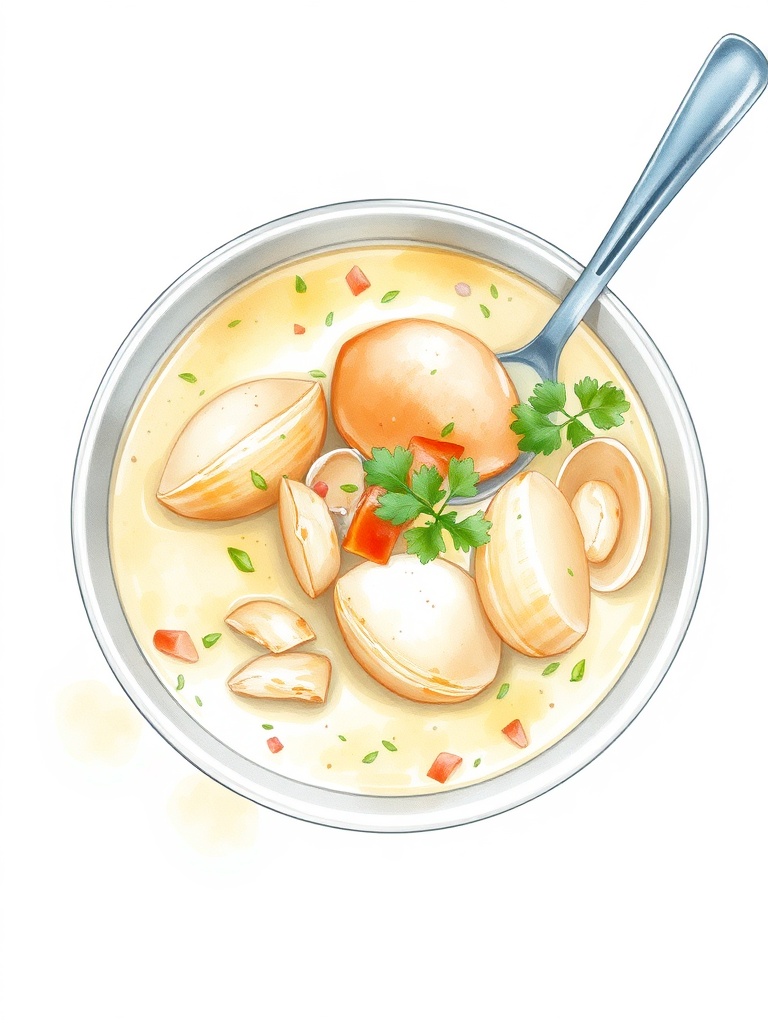
– New England: A cream-based chowder marked by tender clams, diced potatoes, and often salt pork or bacon. The texture ranges from broth-forward to luxuriously thick, depending on thickening method.
– Manhattan: Tomato-based with vegetables like carrots and celery, offering a lighter, tangy alternative that highlights the clam’s natural brininess.
– Rhode Island/clear-broth: Simple and focused on clam liquor, these versions use minimal dairy and keep clams front-and-center.
Choosing clams and clam products
Fresh littlenecks or cherrystones are ideal for chowders—tender and flavorful.
For deeper clam flavor without the work of shucking, use high-quality canned clams plus clam juice. If using frozen clams, thaw gently in the refrigerator and avoid overcooking to prevent rubberiness. Favor sustainably harvested or farmed clams when possible.
Building a better chowder
– Start with aromatics: Sweat onions, celery, and a bit of garlic in butter or rendered salt pork for a savory backbone.
– Layer flavors: Add a splash of dry white wine or a little fish stock to deglaze and deepen the base before introducing potatoes or tomatoes.
– Control the texture: For a silky mouthfeel, make a light roux (equal parts butter and flour) and whisk in milk or cream. For a chunkier, rustic chowder, mash some cooked potatoes into the broth to thicken naturally.
– Finish carefully: Add clams near the end of cooking—just long enough to warm through. If using canned clams, stir in towards the end to avoid overcooking.
Thickening options
– Roux: Classic and reliable for creamy chowders.
– Mashed potato: Boil a portion of the potatoes until falling apart and mash them into the liquid for body.
– Cornstarch slurry: Good for a gluten-free option; mix with cold water before whisking into simmering chowder.
– Reduction: Simmer gently to concentrate flavors and naturally thicken without extra starch.
Serving and pairings
Serve in a warmed bowl with plenty of cracked black pepper and fresh herbs like parsley or chives. Traditional pairings include oyster crackers or crusty sourdough; for a more indulgent presentation, hollow out a sourdough boule and ladle chowder inside.
For beverages, light-to-medium-bodied white wines (think unoaked Chardonnay or Sauvignon Blanc) and crisp lagers complement the dish without overwhelming it.
Make-ahead, storage, and reheating
Chowder stores well refrigerated for a few days. When planning to freeze, omit dairy—freeze the base and clams separately if possible, then add cream when reheating to preserve texture. Reheat gently over low heat until steaming; aim for an internal temperature that ensures safety without boiling, which can cause curdling.
Quick troubleshooting
– Too thin? Simmer uncovered to reduce or whisk in a roux/slurry.
– Too salty? Add peeled, raw potato slices while warming to draw out some salt, or balance with a splash of cream or unsweetened dairy.
– Grainy or separated dairy? Remove from heat and whisk in a small knob of cold butter or an emulsion of cream and a spoonful of mustard to bring it back together.
Clam chowder remains an endlessly tweakable classic—respect simple ingredients, time the clams carefully, and choose a thickening method that suits your preferred texture. Small adjustments yield warm, briny perfection every time.