Styles and what makes them different
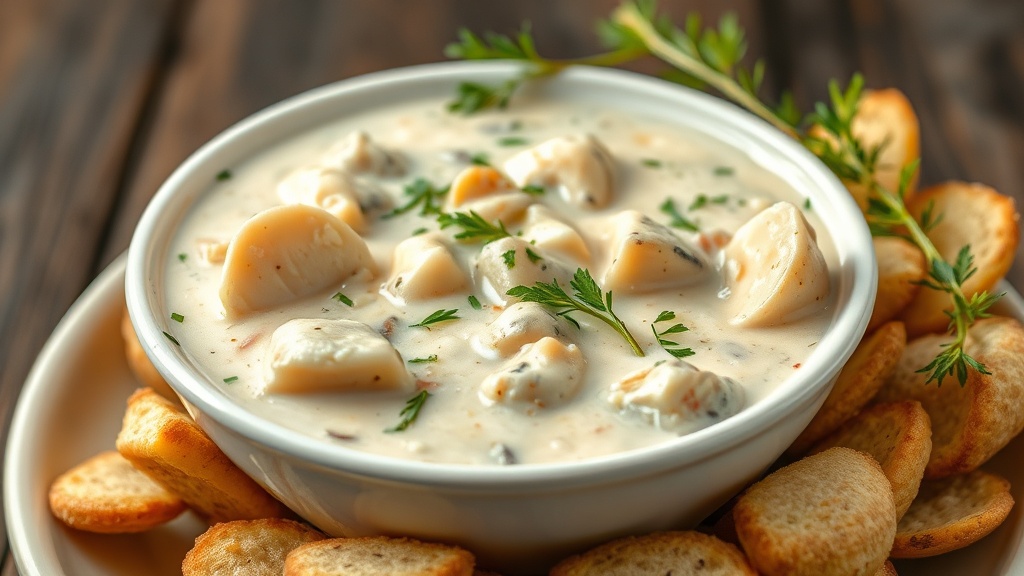
– New England clam chowder: Thick and creamy, built on a milk or cream base with potatoes, onions, and often salt pork or bacon for savory depth. It’s velvety and rich; a roux or potato starch helps achieve that characteristic body.
– Manhattan clam chowder: Tomato-based and bright, this version swaps cream for tomatoes, includes a heartier vegetable mix (carrots, celery, bell pepper), and often has a lighter, slightly acidic finish.
– Rhode Island-style: Clear-broth chowder that highlights the clams themselves. It’s typically lighter, relying on clam liquor, butter, and aromatics rather than cream or tomato.
Choosing and preparing clams
Fresh hard-shell clams (littlenecks, cherrystones) give the best texture and flavor when you steam and add the meat at the end. For convenience or a more consistent flavor, canned clams and bottled clam juice are reliable. If using live clams, scrub shells and purge in saltwater briefly to remove grit. Reserve the clam liquor and strain it — it’s a valuable flavor booster for the broth.
Building flavor
Start with a classic flavor base: sweat onions and celery in butter or rendered salt pork, add garlic and thyme, then deglaze with a splash of clam liquor, white wine, or a little chicken/seafood stock. Potatoes add body and a comforting bite; choose a waxy variety for chunks or russets if you want them to break down and thicken the chowder.
Thickening without heaviness
– Roux: Equal parts butter and flour cooked briefly adds a glossy richness.
– Potato starch: Mash a portion of cooked potatoes into the broth to thicken naturally.
– Cornstarch slurry: A gluten-free option that thickens quickly when heated.
– Temper cream: If adding cream, warm it gently and avoid boiling to prevent curdling and a grainy texture.
Avoid curdling and overcooking
Keep chowder at a gentle simmer after dairy is added. Add clam meat at the end and heat just until opaque to keep it tender. High, rolling boils toughen clams and can split dairy.
Gluten-free and lighter options
For gluten-free chowder, substitute cornstarch or potato for flour, or use a gluten-free flour blend in the roux. For a lighter take, use half-and-half or a splash of cream stirred in at the end, or choose a clear-broth Rhode Island style.
Sustainability and sourcing
Clams are often a sustainable seafood choice because many are harvested via low-impact methods and farmed in ways that improve water quality. Look for local sources, trusted suppliers, or certifications when available. Buying locally harvested clams supports regional fisheries and ensures peak freshness.
Serving and pairings
Serve chowder with crusty bread, oyster crackers, or a simple green salad. Creamy chowder pairs well with a lightly oaked white wine or a crisp pilsner; tomato-based chowders match up with medium-bodied red blends or a citrus-forward white. Garnish ideas: chopped parsley, chopped chives, a drizzle of good olive oil, or crisped bacon.
Storage and reheating
Chowder holds well in the fridge for a few days; reheat gently over low heat, adding a splash of stock or cream if it thickens too much. It freezes best without dairy; for best texture, freeze the base and add cream and clams when reheating.
With these guidelines you can honor tradition or experiment confidently — whether you crave a silky New England bowl, a zesty Manhattan, or a clear, clam-forward broth.