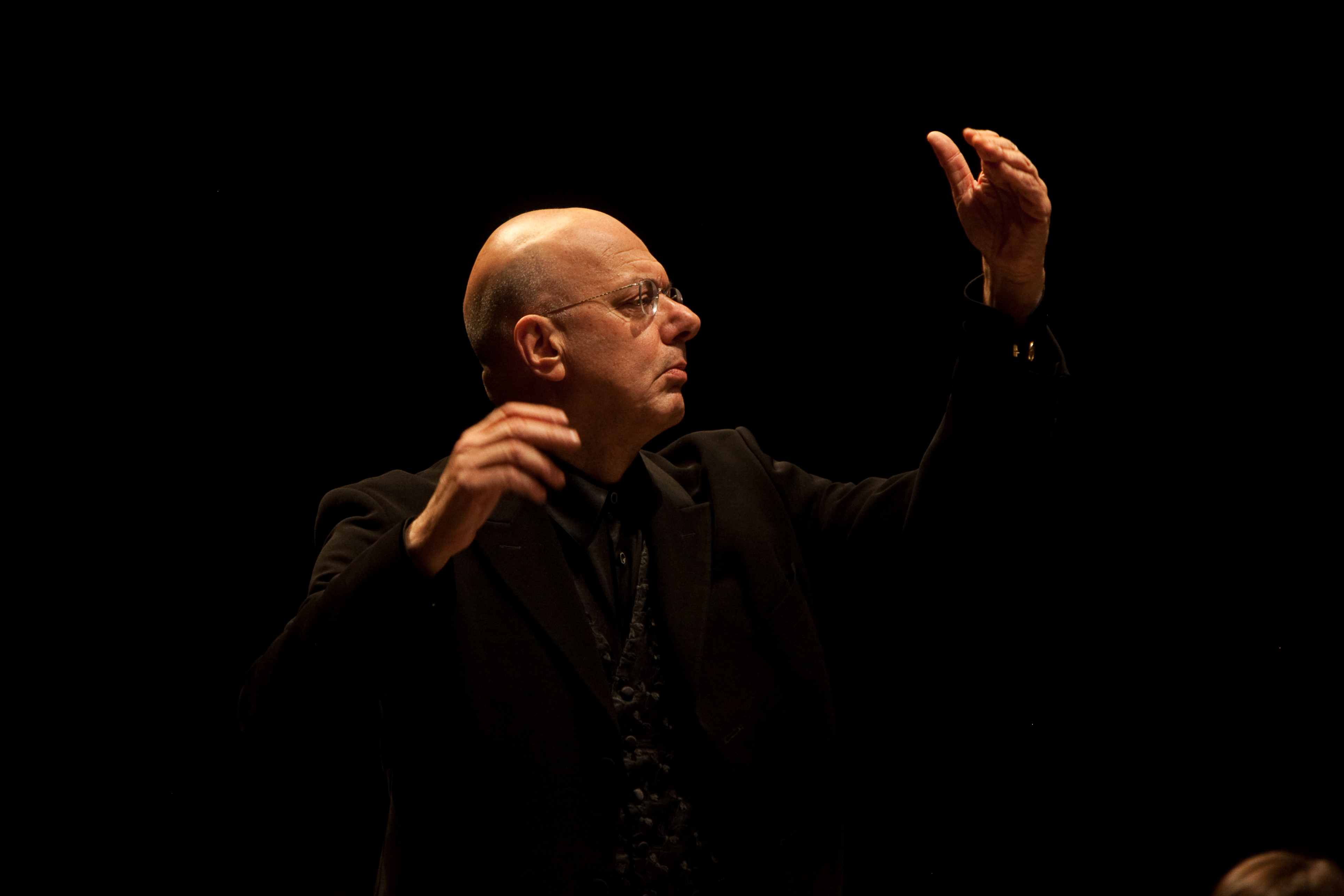
The Bard Music Festival reaches its 35th anniversary this summer with an intensive examination of Bohuslav Martinů, the prolific Czech composer whose life spanned two world wars, multiple exiles, and constant creative output. Founded in 1990 by college president Leon Botstein, the festival has established itself as America’s premier venue for contextual musical programming.
Each year, the festival dedicates its entire focus to a single composer, presenting their works alongside music by contemporaries, influences, and successors. This approach allows audiences to understand individual artists within their historical and cultural environments rather than experiencing isolated masterpieces.
Martinů’s story exemplifies the kind of musical biography that attracts Botstein’s attention: a composer whose career was shaped by political upheaval, cultural displacement, and the search for artistic identity amid changing circumstances. Born in a church tower in 1890, Martinů lived through Nazi occupation, communist restrictions, and stateless wandering before his death in Switzerland in 1959.
Festival Format Encourages Deep Listening
The two-weekend structure allows comprehensive exploration of compositional output that single concerts cannot accommodate. Weekend one, titled “A Musical Mirror of the 20th Century,” examines Martinů’s stylistic development and international influences. Weekend two, “Against Uncertainty, Uniformity, Mechanization,” places his work within broader cultural movements of the mid-20th century.
Botstein’s conducting background in championing neglected repertoire makes him ideally suited to present composers like Martinů, whose 400 compositions span every genre from chamber music to opera. The festival format enables performances of major works alongside rarely heard pieces that illuminate different aspects of artistic development.
Scholarly panels complement musical performances, featuring musicologists, historians, and cultural critics who provide contextual frameworks for understanding compositional choices and historical circumstances. These discussions help audiences connect musical techniques to political events, philosophical movements, and social changes.
The intimate scale of Bard’s concert venues allows musical details to emerge that might disappear in larger halls. Chamber works receive the same attention as orchestral pieces, creating balanced programs that reflect composers’ complete output rather than highlighting only their most famous compositions.
Leon Botstein’s Vision Transforms Musical Programming
Botstein conceived the festival as an alternative to traditional classical music presentation, which often treats composers as isolated geniuses rather than artists responding to specific historical moments. His approach emphasizes cultural context and artistic influence, showing how music reflects and shapes the societies that produce it.
The American Symphony Orchestra conductor’s festival has examined composers from Brahms and Dvořák to Schoenberg and Copland, always focusing on figures whose work intersects with major historical developments. Previous festivals have explored music during wartime, artistic responses to political oppression, and the role of cultural identity in compositional style.
His programming choices often highlight composers whose careers were interrupted by political events or whose music was suppressed by authoritarian regimes. The festival has presented works by Jewish composers banned by the Nazis, Soviet artists restricted by communist authorities, and émigré musicians who fled political persecution.
The festival’s success has influenced programming at other cultural institutions, with symphony orchestras and opera companies adopting similar contextual approaches to concert presentation. Music critics regularly cite Bard as a model for how classical music can engage contemporary audiences through historical awareness and cultural relevance.
Martinů’s compositional career perfectly illustrates the themes that interest Botstein most: how political circumstances shape artistic choices, how cultural displacement affects creative identity, and how individual artists respond to collective historical trauma through their work.
International Recognition Builds Festival Reputation
The festival attracts musicians, scholars, and audiences from around the world, establishing Bard as a center for serious musical discourse. Performers include established artists alongside emerging musicians, creating intergenerational conversations about interpretive traditions and contemporary relevance.
Recording projects document festival performances, preserving rarely heard works for future study and enjoyment. These recordings often represent world premieres or first professional recordings of neglected compositions, contributing to musicological research and performance history.
Recent international performances by The Orchestra Now, which grew out of the festival’s educational mission, demonstrate how Bard’s musical programs extend beyond the campus. The ensemble’s recent performance of banned Mendelssohn works in Germany exemplifies the festival’s commitment to musical recovery and historical reckoning.
The festival’s educational impact extends to participating musicians, who gain experience with unfamiliar repertoire while learning about historical contexts that inform their interpretations. Many performers report that festival participation changes their approach to familiar works by deepening their understanding of cultural and political influences on musical style.
Bard’s broader educational mission connects directly to festival programming through student participation, faculty involvement, and curricular integration. Music students attend rehearsals, participate in masterclasses, and engage with visiting artists, gaining exposure to professional-level performance and scholarship.
The festival’s influence on American musical culture continues growing as other institutions adopt similar approaches to programming and presentation. Cultural organizations increasingly recognize the value of contextual programming in making classical music relevant to contemporary audiences.
This year’s Martinů festival promises to reveal new dimensions of a composer whose prolific output and complex biography reflect the turbulent history of his era. The programming will trace his artistic development from early Czech nationalism through Parisian modernism to American exile, showing how personal circumstances and historical events shaped one of the 20th century’s most distinctive musical voices.
Metropolitan Museum collaborations and other cultural partnerships extend the festival’s reach beyond traditional classical music audiences, introducing new listeners to both familiar and unfamiliar repertoire through innovative presentation formats and educational programming.
The festival’s 35-year history demonstrates Botstein’s conviction that serious musical culture can thrive when institutions commit to educational excellence and historical awareness, creating experiences that transform both performers and audiences through deep engagement with artistic traditions and their cultural meanings.