New England Sun

Bright Takes from the Northeast

Category: clam chowder

  • How to Make the Best Clam Chowder: Creamy, Tomato & Gluten-Free Variations and Pro Tips

    Clam chowder remains a beloved comfort dish with regional variations, simple techniques, and plenty of room for creativity. Whether you crave a creamy bowl or a bright, tomato-forward version, knowing the essentials will help you make the best clam chowder at home.

    What makes clam chowder great
    Clams are the star—fresh or canned—and their briny flavor defines the soup. The two most recognized styles are a cream-based chowder and a tomato-based chowder. The cream version is silky and rich, often thickened with a roux or mashed potatoes. The tomato style offers a lighter, tangy profile with vegetables and herbs taking a larger role. There are also clear-broth variations that highlight the clams’ natural sweetness without cream or tomatoes.

    Key ingredients
    – Clams (littlenecks, cherrystones, or canned chopped clams)
    – Aromatics (onion, celery, sometimes carrot)
    – Fat and flavor (bacon, salt pork, or butter)
    – Liquid (clam juice, seafood stock, milk and/or cream, or canned tomatoes)
    – Thickener (flour roux, mashed potato, or cornstarch for gluten-free)

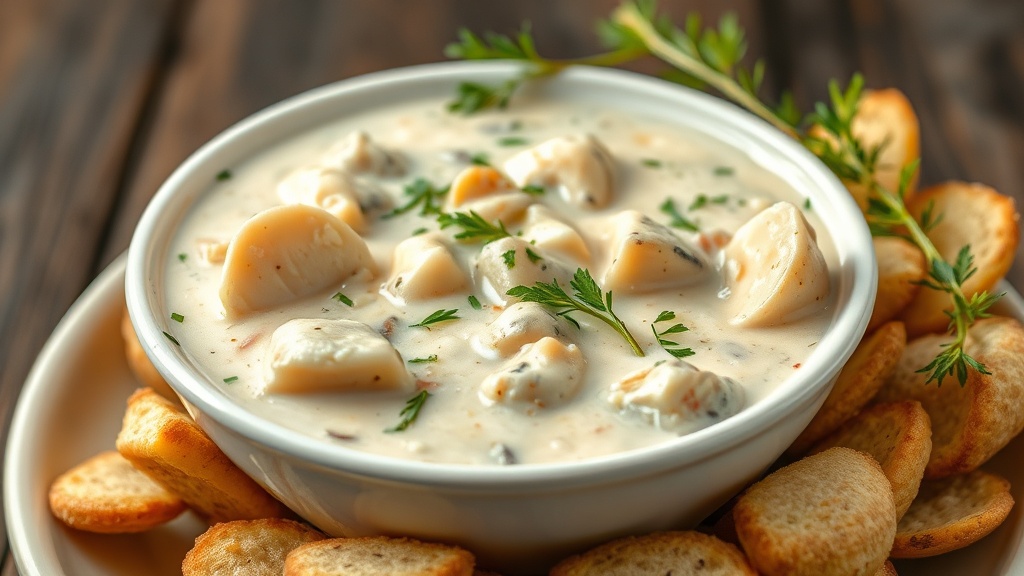
    clam chowder image

    – Herbs and seasoning (bay leaf, thyme, black pepper; avoid over-salting if using clam juice)

    How to make clam chowder — a basic approach
    1. Render fat: Cook diced bacon or salt pork until browned. Remove most fat if desired, leaving flavor to sauté aromatics.
    2. Build flavor: Sauté onion and celery in the fat until soft. Add garlic if you like.
    3.

    Add clams and liquid: If using fresh, steam clams until they open and reserve the cooking liquor (strain to remove grit).

    Combine clam liquor with stock or clam juice for depth. For canned clams, add the juice from the can.

    4. Thicken and finish: Whisk in a roux (butter + flour) or add diced potatoes to soften and release starch. Stir in milk or cream gently—avoid boiling once dairy is added to prevent separation. Add clams toward the end to prevent rubbery texture.
    5. Season and rest: Adjust salt and pepper, remove bay leaf, and let the chowder rest a few minutes before serving to meld flavors.

    Tips for success
    – Don’t overcook clams: Add fresh or canned clams near the end to keep them tender.
    – Use clam juice for umami: Even a small amount enriches the broth.
    – Control richness: Replace part of the cream with milk or use a combination of milk and a splash of cream.
    – Make it gluten-free: Use cornstarch slurry or mashed potato instead of flour roux.
    – Intensify flavor: Sear a halved head of garlic or roast tomato for the tomato-based version, then blend into the broth for deeper taste.

    Serving and pairings
    Serve clam chowder with a sturdy bread like sourdough, oyster crackers, or a warm roll for dipping. For beverages, a crisp white wine or a light lager complements the briny flavors without overpowering them. Garnish with chopped parsley or chives and a grind of black pepper.

    Storage and reheating
    Chowder stores well in the refrigerator for a few days.

    Reheat gently over low heat to prevent separation; add a splash of milk or cream if it appears dry.

    For longer storage, freeze without dairy and add cream when reheating to preserve texture.

    Clam chowder invites experimentation—swap in mussels, add a smoky twist with paprika, or brighten a bowl with a squeeze of lemon. With a few reliable techniques, you can tailor the chowder to any palate while keeping the clams front and center.

  • Mastering Clam Chowder: Classic Styles, Modern Tips & Variations

    Clam Chowder: Classic Comfort with Modern Tips

    Few dishes capture coastal comfort like clam chowder.

    Whether you prefer the creamy New England style, the bright tomato-based Manhattan version, or the clear-broth Rhode Island approach, chowder is versatile, forgiving, and perfect for showcasing fresh shellfish.

    Types and flavor profiles
    – New England clam chowder: rich and creamy, built on a roux or beurre manié with milk or cream, potatoes, onions, and often bacon or salt pork for depth.
    – Manhattan clam chowder: tomato-forward, with a soffritto of onions, celery, and carrots and a lighter broth that highlights tomatoes and herby notes.
    – Rhode Island clam chowder: a clear consommé that emphasizes the pure briny flavor of clams, often finished with a splash of olive oil and chopped herbs.

    Ingredients that matter
    Fresh littlenecks or cherrystones give the best texture and briny punch; use canned clams and clam juice for convenience but choose high-quality brands. If using fresh clams, purge them in cold salted water to remove grit, cook until shells open, and reserve the steaming liquid—this makes an excellent base. Potatoes provide body; waxy varieties hold shape, while starchy potatoes break down and thicken the broth. For a silky finish without heavy cream, finish with a touch of butter or a liaison of egg yolk tempered into warm stock.

    Techniques for the best chowder
    – Build flavor: render bacon or salt pork first, sauté vegetables slowly to avoid bitterness, then add flour for a roux if making a creamy base.
    – Protect dairy: once milk or cream is added, keep the heat low. Boiling can break the emulsion and cause curdling.
    – Use clams last: add clams and any delicate herbs near the end to prevent overcooking and rubbery texture.

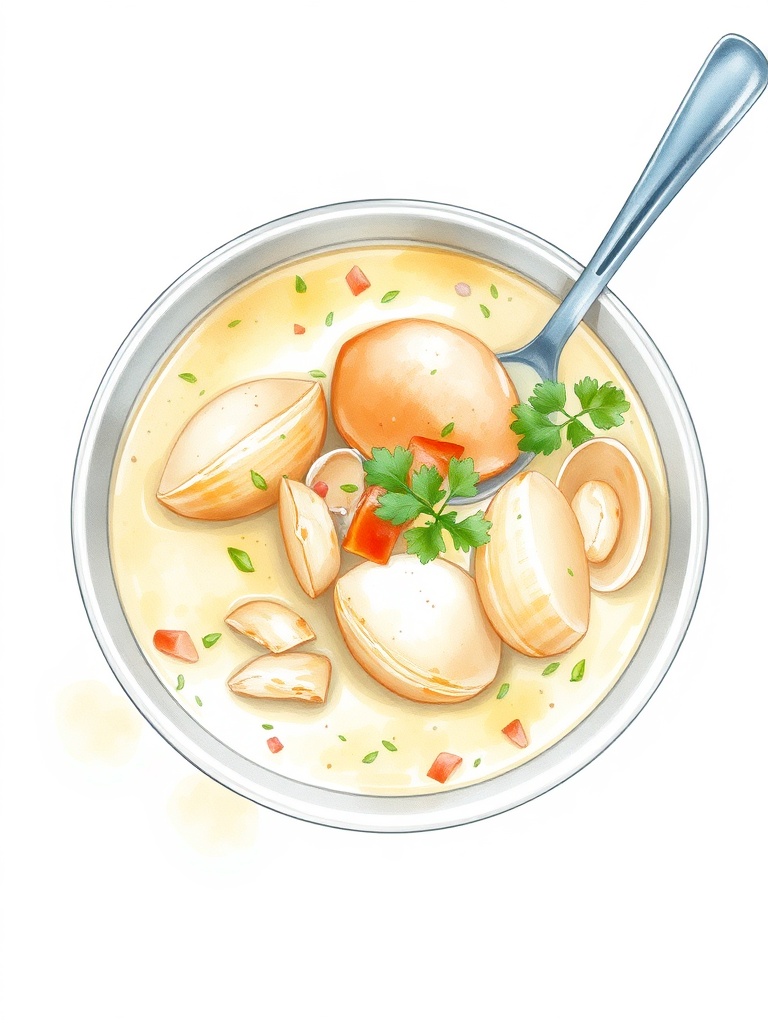
    clam chowder image

    – Thicken smartly: instead of heavy flour, use mashed potato, a small roux, or cornstarch slurry for gluten-free chowder.

    Storage and reheating
    Chowder is fridge-friendly—cool to room temperature, then refrigerate within a couple of hours.

    Consume within a few days. For freezing, omit or reduce cream; freeze the base, then add cream when reheating.

    Reheat gently over low heat, stirring to maintain a smooth texture; a splash of milk, cream, or reserved clam juice can refresh a too-thick pot.

    Dietary swaps and variations
    – Gluten-free: thicken with potato or cornstarch and serve with gluten-free crackers.
    – Dairy-free: use full-fat coconut milk or a cashew cream for richness, although the taste will shift subtly.
    – Vegetarian take: swap clams for smoky mushrooms and use seaweed or kelp granules to mimic oceanic umami.

    Sourcing and sustainability
    Look for clams from well-managed fisheries and check local shellfish advisories before harvesting wild clams. Smaller clams are often more tender and sustainable; frozen clams can be a reliable, low-waste option when fresh shellfish aren’t available.

    Serving and pairings
    Serve chowder with crusty bread or oyster crackers, and garnish with freshly cracked pepper, chopped parsley, or crispy pancetta.

    For beverages, a crisp lager or a zesty white wine with good acidity balances the creaminess.

    Chowder is approachable and adaptable—master the base techniques, respect the clam, and you’ll have a go-to bowl that can be adjusted to suit seasons, diets, and pantry limits.

  • How to Make Clam Chowder: Ultimate Guide to New England, Manhattan & Dairy-Free Versions

    Clam chowder is a classic comfort food that balances briny seafood flavor with creamy richness or bright tomato tang. Whether craving a bowl of thick, velvety chowder or a lighter broth-based version, understanding the styles, key ingredients, and simple techniques elevates every pot.

    Styles and flavor profiles
    – New England clam chowder: Characterized by a creamy, milky base and chunky potatoes, it emphasizes sweet clams and often includes bacon or salt pork for a smoky backbone.
    – Manhattan clam chowder: A tomato-based version with vegetables and herbs, offering a bright, acidic contrast to the clams.
    – Rhode Island (clear) clam chowder: A lighter broth-forward approach that showcases clam liquor and subtle aromatics without heavy dairy.

    Choosing clams and clam products
    Fresh littlenecks and cherrystones are ideal for chowder because their texture holds up in gentle simmering. When fresh clams aren’t available, canned clams and bottled clam juice provide reliable, flavorful substitutes—use the juice to boost the chowder’s ocean essence. For a quicker option, canned chopped clams offer convenience without sacrificing much taste.

    Key ingredients and techniques
    – Aromatics: Start with onion, celery, and sometimes carrot. Sweat them until translucent to build a flavor base.
    – Fat and smoke: Small amounts of bacon or salt pork add a savory, smoky dimension; butter can replace pork for a richly creamy profile.
    – Potatoes: Waxy potatoes hold shape; starchy potatoes like Russets break down more and can be mashed a bit to thicken the broth.
    – Thickening: A roux (butter + flour) yields a silky cream chowder. For gluten-free versions, use cornstarch or arrowroot slurry. Mixing a portion of mashed potato into the liquid produces natural body without extra flour.
    – Dairy: Heavy cream creates luxurious mouthfeel; half-and-half or whole milk lightens it. For dairy-free chowder, try unsweetened coconut milk or a cashew cream and finish with a splash of lemon to brighten flavors.

    Cooking tips to avoid common pitfalls
    – Avoid high heat once dairy and clams are added—scorching or curdling can occur.

    Finish gently over low heat.
    – Don’t overcook clams; add them near the end to keep them tender. If using canned clams, add them just to warm through.
    – Season progressively: salt, pepper, and a touch of smoked paprika or thyme can enhance the profile without overwhelming the clams.

    Vegetarian and modern variations
    Plant-based chowders use hearts of palm, oyster mushrooms, or chopped king oyster mushrooms to mimic clam texture. Seaweed or kelp granules can impart a briny note for an authentic ocean-like finish. Tomato chowders, corn chowders, and chowders with roasted garlic introduce contemporary twists while staying true to the comfort-food spirit.

    Serving and storage

    clam chowder image

    Serve chowder with oyster crackers, crusty sourdough, or a bread bowl. Garnishes like chopped parsley, a drizzle of olive oil, crumbled bacon, or a few dashes of hot sauce add visual appeal and a flavor lift.

    Refrigerate leftovers promptly; gently thin with stock or milk when reheating, since chowder thickens as it cools. Cream-based chowders freeze with variable results—consider freezing without dairy and adding fresh cream when reheating for best texture.

    Clam chowder remains a versatile dish that adapts to pantry staples, dietary preferences, and seasonal produce. With a few technique-focused choices—selecting the right clams, controlling heat, and choosing a thickening method—anyone can make a bowl that’s both comforting and memorable.

  • Perfect Clam Chowder: Classic Comfort & Modern Twists

    Clam chowder: classic comfort food with modern twists

    Few dishes balance comfort and coastal flavor like clam chowder. Whether enjoyed thick and creamy or bright and tomato-forward, chowder showcases briny clams, tender potatoes, and aromatic aromatics in a bowl that feels like a warm seaside hug. Here’s a practical guide to making better clam chowder, choosing the right ingredients, and exploring popular variations.

    What makes great clam chowder
    The foundation is simple: clams, liquid, a starch or roux for body, and aromatics such as onions, celery, and sometimes bacon or salt pork. Fresh littlenecks and cherrystones give the best texture and flavor—steam them until they open, reserve the cooking liquor to intensify the broth, and chop the meat just enough to create a satisfying bite. Canned clams and bottled clam juice are perfectly acceptable for convenience; just monitor salt carefully since commercial products can be briny.

    Creamy vs. tomato-based: choose your style
    – New England chowder: Rich and creamy, thickened with a roux (butter and flour) or by simmered potatoes that release starch.

    Heavy cream or half-and-half creates the signature velvet mouthfeel. Cook gently to prevent dairy from separating.
    – Manhattan chowder: A tomato-based version with a clearer broth and more vegetables like carrots and bell peppers. No cream here—acid from tomatoes brightens the clams and cuts the need for heavy fat.
    – Rhode Island/clear chowders: Broth-forward and less common outside coastal areas, these highlight clam liquor and simple seasonings.

    Techniques for perfect texture
    – Build flavor: Render bacon or salt pork first, sauté aromatics in the fat, then deglaze with a splash of clam liquor or white wine before adding potatoes and broth.
    – Don’t overcook clams: Add fresh clam meat near the end of cooking—tough, rubbery clams are almost always the result of overcooking.
    – Thickening options: A roux gives a silky, stable finish. For gluten-free chowder, use a cornstarch slurry or whisked potato starch; another classic trick is mashing some of the cooked potatoes into the broth to create body without extra flour.

    Healthy and dietary swaps
    – Lighter chowders: Replace some heavy cream with evaporated milk or a higher-fat plant milk for fewer calories while maintaining creaminess.
    – Dairy-free: Use full-bodied coconut milk sparingly or opt for a vegetable or seafood stock–based Manhattan style.
    – Lower sodium: Rely on fresh clams and homemade stock, and add salt in small increments at the end.

    Serving and pairings
    Serve clam chowder hot with oyster crackers, crusty sourdough, or buttered rye. Garnish with chopped parsley, chives, or a few crisply cooked bacon bits. For beverages, a crisp dry white wine, pilsner, or semi-dry hard cider complements the briny flavors well.

    clam chowder image

    Storage and reheating
    Cool chowder quickly, refrigerate in shallow containers, and consume within a few days. Freezing cream-based chowder can alter texture—freeze before adding cream or reheat gently and stir in dairy at the end. Reheat over low heat and add a splash of milk or cream to restore silkiness.

    Sourcing and sustainability
    Choose clams from local fisheries with sustainable practices. Buying locally not only supports coastal communities but often yields fresher, better-tasting clams.

    Whether sticking to a classic New England recipe or experimenting with a tomato-forward Manhattan or gluten-free version, clam chowder remains a versatile, satisfying dish that rewards attention to technique and ingredient quality.

  • Best Clam Chowder Recipe & Tips: How to Make New England, Manhattan & More

    Clam chowder remains a comfort food favorite for its creamy texture, briny flavor, and versatility. Whether served in a bread bowl at a seaside shack or ladled into a bowl at home, chowder balances savory aromatics, tender clams, and a thick, satisfying broth. Here’s how to make and enjoy clam chowder that stands out.

    Types of clam chowder:
    – New England: A rich, creamy chowder built on bacon, onions, potatoes, and heavy cream or milk. It’s chunky and hearty, with a pale broth.
    – Manhattan: Tomato-based and lighter, with vegetables like celery and carrots joining the potatoes and clams. It’s bright and tangy.
    – Rhode Island and Long Island styles: Variations exist that use clear broths or a hybrid of tomato and cream, reflecting local tastes.

    Choosing clams:
    Fresh littlenecks or cherrystones are ideal for a tender bite. For bigger, meatier texture, use quahogs or chowder clams that are chopped after cooking. Canned clams are a convenient backup—drain and reserve the juice to boost flavor. Always scrub shells well if using live clams, and discard any that don’t close when tapped.

    Building flavor:
    Start with rendered bacon or salt pork for a smoky foundation, then sweat onions, celery, and sometimes carrots. Garlic can be added sparingly. Deglaze with a splash of clam juice, white wine, or even a little water to lift browned bits. Potatoes are the classic thickener; choose waxy varieties for pieces that hold shape, or mash a small portion while cooking to naturally thicken the broth.

    Cream vs. tomato:
    For creamy chowder, finish with cream or whole milk and temper it to prevent curdling—add a ladle of hot broth to the dairy, then stir back into the pot.

    If you prefer a lighter finish, use half-and-half or a blend of milk and a roux (butter and flour) for body. For tomato-based chowders, use crushed or diced tomatoes and a longer simmer to meld flavors.

    Clams: timing is everything:
    Add clams toward the end of cooking to avoid toughness. If using fresh clams, steam them until they open, then remove meat and save the cooking broth. If using canned clams, they only need brief warming. Overcooked clams become rubbery, diminishing the dish.

    Texture and thickening tips:
    – Roux gives a silky mouthfeel and stable thickness—cook butter and flour until nutty, then add liquid.
    – Mash a few potatoes against the pot to naturally thicken without extra fat.
    – For gluten-free chowders, use cornstarch mixed with cold water or a puree of cooked potatoes and onions.

    clam chowder image

    Finishing touches:
    Brighten rich chowder with acidity—lemon juice, a splash of vinegar, or chopped fresh herbs like parsley. Crisp bacon bits, chopped chives, or a sprinkle of smoked paprika add contrast. Serve with oyster crackers, crusty bread, or a toasted baguette.

    Storage and reheating:
    Chowder often tastes even better after the flavors meld, but it thickens when chilled. Gently reheat over low heat, adding a bit of milk, broth, or reserved clam juice to restore silky consistency. Store in the refrigerator for a few days or freeze in portions for longer keeping; thaw slowly before reheating.

    Variations to try:
    – Seafood chowder with shrimp and scallops for more complexity
    – Dairy-free version using coconut milk or cashew cream for a velvety finish
    – Spicy twist with a touch of chipotle or cayenne and smoked paprika

    Clam chowder adapts easily to pantry staples and local seafood. With attention to clam timing, balanced seasoning, and thoughtful finishing, you can make a bowl that’s both comforting and remarkable. Try a small tweak next time—maybe a squeeze of lemon or a smoky bacon garnish—to make it your signature chowder.

  • Ultimate Clam Chowder Guide: Recipes, Regional Styles & Expert Tips

    Clam chowder is a comfort-food icon that blends tender clams, hearty potatoes, and savory broth into a bowl that’s both simple and satisfying. Whether you prefer a creamy, spoonable version or a tomato-based, bracing stew, clam chowder has regional variations and techniques that suit every palate.

    What makes a chowder

    clam chowder image

    At its core, clam chowder is about balance: briny clams, soft potatoes, aromatic onions, and a flavorful liquid. Texture plays a big role — some chowders are thickened to a velvety richness, while others stay brothy and bright. Key building blocks are:
    – Clams: fresh littlenecks or cherrystones for bite, canned clams for convenience, or chopped quahogs in heartier styles.
    – Potatoes: waxy varieties hold their shape; starchy potatoes break down to thicken.
    – Fat and flavor: bacon, salt pork, or butter provide depth; onions, celery, and leeks add aromatic layers.
    – Liquid: clam juice, fish stock, or vegetable broth form the base; cream or milk finishes off the silky versions.

    Regional styles worth knowing
    – New England clam chowder: Creamy and thick, usually made with dairy, potatoes, onions, and sometimes bacon.

    It’s the classic “white” chowder many imagine.
    – Manhattan clam chowder: Tomato-based and herb-forward, with a clearer, tangy broth and vegetables such as carrots and celery.
    – Rhode Island clam chowder: Clear and briny, focusing on clams and broth with minimal thickening.
    – Other variations: Corn chowder blends sweet corn with clams; smoky versions add smoked paprika or chipotle for a modern twist.

    Cooking tips for a better chowder
    – Build flavors gradually: Sweat onions and aromatics first, then add bacon or salt pork fat to brown and deepen the base.
    – Choose your thickener: A roux (butter + flour), a small amount of mashed potato, or a slurry of cornstarch and water can all produce a pleasing texture. Avoid over-thickening; the chowder should still feel generous in the bowl.
    – Temper dairy: To prevent curdling, warm cream or milk gently and stir a ladle of hot broth into it before returning to the pot. Don’t boil vigorously after adding dairy.
    – Don’t overcook clams: If using fresh clams, steam them separately and add just enough to heat through to avoid rubbery texture. Canned clams only need a brief simmer to warm and release flavor.

    Sourcing and sustainability
    Selecting clams from reputable suppliers supports sustainability and food safety. Look for locally harvested clams when available, or choose clams certified by reputable marine stewardship programs.

    Frozen or canned clams can be a safe, eco-friendly option if fresh clams aren’t available.

    Serving and pairings
    Garnishes lift the bowl: chopped chives, parsley, a sprinkle of black pepper, or crisp bacon bits add color and contrast. Serve with crusty sourdough, oyster crackers, or lightly toasted bread for dipping. For beverages, a crisp white wine like unoaked Chardonnay or a light lager complements the briny richness.

    Storage and reheating
    Chowder keeps well for a few days in the fridge. Reheat gently on low heat, adding a splash of broth or milk if it has thickened too much.

    Avoid high heat to preserve a smooth texture; stovetop reheating with occasional stirring works best.

    Left to creative instincts, clam chowder can be classic or contemporary. Small adjustments—swap in smoked bacon, add sweet corn, use coconut milk for a dairy-free version—make the recipe your own while honoring the comforting tradition of this beloved seafood stew.

  • How to Make Clam Chowder: Regional Styles, Ingredients & Pro Tips

    Clam chowder is one of those comforting dishes that can feel like a warm embrace on a chilly day or a bright, briny bowl of summer at the shore. Understanding its regional styles, ingredient choices, and key techniques makes it easy to prepare a chowder that’s rich, balanced, and full of clam flavor.

    Regional styles to know
    – New England clam chowder: Creamy and thick, typically made with milk or cream, potatoes, onions, and sometimes bacon for a smoky note. The texture ranges from silky to chunky depending on the amount of potato and whether a roux is used.
    – Manhattan clam chowder: Tomato-based and lighter in body, this version features tomatoes, vegetables like carrots and celery, and a bright, tangy character.
    – Rhode Island clam chowder: Clear-broth style that highlights the fresh taste of clams with minimal dairy or tomatoes.
    – Hybrid variations: Coastal cooks often blend techniques—adding tomato to cream-based chowders or using different aromatics—creating personalized takes on the classic.

    Choosing clams and other ingredients
    Fresh littlenecks and cherrystones are the top choices for chowder.

    Littlenecks are tender and ideal for quick cooking; cherrystones offer more chew and a heartier bite. Canned clams and bottled clam juice are convenient and work well when fresh clams aren’t available—use both the clams and the juice for maximum flavor. Potatoes should be starchy varieties that break down slightly to thicken the broth; Yukon Golds are a popular middle ground.

    Aromatics—onion, celery, and bay leaf—build the base flavor, while thyme and parsley add freshness.

    Techniques for the best texture and flavor
    – Sauté aromatics first: Gently cook onions and celery in butter or oil until translucent. If using bacon, render it first to use the fat for sautéing for added depth.
    – Layer liquids: Start with clam juice or a light stock, add potatoes and simmer until tender, then introduce cream or milk near the end to avoid curdling.
    – Thicken carefully: A roux (butter + flour) gives a classic velvety body. For a lighter finish, mash a portion of the potatoes into the broth or use a cornstarch slurry for gluten-free thickness.
    – Add clams at the end: Overcooking makes them tough. Fresh clams need only a few minutes once added; canned clams require gentle warming.
    – Temper dairy: To prevent splitting, slowly whisk a bit of hot broth into the cream before adding it to the pot.

    Serving and pairings
    Chowder shines with simple accompaniments: oyster crackers, crusty sourdough, or buttered rye are favorites. Garnish with crisp bacon, chopped parsley, or a sprinkle of black pepper. Pair with a crisp white wine, such as a dry unoaked varietal, or a light lager; for a non-alcoholic option, a sharp apple cider complements both creamy and tomato-based versions.

    Storage and reheating
    Refrigerate chowder within two hours and use within a few days for best quality. Cream-based chowders can separate if frozen; if freezing is necessary, consider freezing the broth and adding cream when reheating.

    clam chowder image

    Reheat gently over low heat, stirring and adding a splash of broth or milk to restore creaminess.

    Vegetarian and allergy-friendly options
    For dairy-free chowders, use coconut milk or cashew cream and boost umami with sea vegetables or miso. Vegetarian “clam” versions can mimic briny depth with smoked mushrooms, hearts of palm, and kelp powder.

    With a few thoughtful choices—fresh clams or good-quality canned clams, proper layering of liquids, and mindful heating—clam chowder becomes a reliable, memorable dish that can be adapted to many tastes and diets.

  • Clam chowder is a comforting, savory soup that showcases the briny sweetness of clams with creamy or tomato-forward bases.

    Clam chowder is a comforting, savory soup that showcases the briny sweetness of clams with creamy or tomato-forward bases. Whether you prefer a silky New England-style chowder or a bright Manhattan version, understanding core techniques and ingredient choices makes a huge difference between a good pot and an unforgettable one.

    What makes great clam chowder

    clam chowder image

    – Quality clams: Fresh littlenecks or chopped clams deliver the best texture and flavor. If fresh clams aren’t available, high-quality canned clams and their juice are a reliable alternative. Reserve any clam liquor to boost the broth.
    – Balance of fat and acidity: Salt pork or bacon lends smoky depth. For creamy chowders, whole milk and heavy cream create richness; a splash of vinegar or lemon brightens the final bowl and prevents the richness from tasting flat.
    – Proper potato choice: Waxy potatoes hold their shape and add bite, while starchy potatoes (mashed a bit into the broth) help thicken the soup without excess flour.

    Key techniques for perfect chowder
    – Render the fat: Start by crisping diced bacon or salt pork to render flavorful fat. Use that fat to sweat onions, celery, and leeks until translucent—avoid browning for a clean base.
    – Use clam liquor smartly: Strain and add clam cooking liquid to the soup for natural umami. If using canned clams, include the canned juice but taste for salt before adding more.
    – Thicken gently: Make a light roux with butter and flour, or mash a portion of the cooked potatoes into the broth. For a silkier finish, temper cream by stirring a little hot broth into it before adding to the pot and remove from heat to prevent curdling.
    – Avoid overcooking clams: Add clams near the end of cooking. Fresh shucked clams only need a few minutes to firm up; canned clams are already cooked and should be warmed just until heated.

    Popular regional styles
    – New England: Creamy, white base with potatoes, onions, and often bacon.

    It’s velvety and rich—best served with oyster crackers or crusty bread.
    – Manhattan: Tomato-based, featuring a clear broth with tomatoes, vegetables, and seasonings. Lighter and more acidic than cream chowder.
    – Rhode Island: Clear broth style that highlights clam liquor with minimal dairy or tomato, placing clams front and center.

    Serving and pairing
    Serve clam chowder piping hot with simple garnishes: chopped chives or parsley, a drizzle of olive oil, fresh cracked pepper, and a lemon wedge. Pair with crusty sourdough, buttery biscuits, or a crisp salad. For beverages, a crisp white wine, pilsner, or bitter ale complements the brininess.

    Storage and reheating
    Store chowder chilled in a sealed container for a couple of days. Reheat gently over low heat to retain the creamy texture—avoid boiling. If the soup becomes too thick after refrigeration, thin it with a splash of milk, clam liquor, or broth. Avoid freezing cream-based chowders when possible; if you must freeze, omit the dairy and add fresh cream when reheating.

    Sustainability and safety
    Choose clams from reputable suppliers and pay attention to local advisories about shellfish safety. Many regions offer sustainably harvested shellfish—look for certified sources or buy from trusted local fishmongers.

    Clam chowder is versatile—use the techniques above as a foundation to experiment with mix-ins like corn, shrimp, or smoked fish.

    With attention to ingredients and timing, you can make a bowl that’s rich, well-balanced, and deeply satisfying.

  • How to Make Restaurant-Quality Clam Chowder: New England, Manhattan & Rhode Island Styles

    Clam chowder remains one of the most comforting, versatile seafood dishes — creamy, brothy, or tomato-forward depending on where you are. Understanding regional styles, ingredient choices, and a few kitchen tricks will help you make a chowder that tastes restaurant-quality every time.

    Styles and what makes them different
    – New England clam chowder: Thick and creamy, built on a milk or cream base with potatoes, onions, and often salt pork or bacon for savory depth. It’s velvety and rich; a roux or potato starch helps achieve that characteristic body.
    – Manhattan clam chowder: Tomato-based and bright, this version swaps cream for tomatoes, includes a heartier vegetable mix (carrots, celery, bell pepper), and often has a lighter, slightly acidic finish.
    – Rhode Island-style: Clear-broth chowder that highlights the clams themselves. It’s typically lighter, relying on clam liquor, butter, and aromatics rather than cream or tomato.

    Choosing and preparing clams
    Fresh hard-shell clams (littlenecks, cherrystones) give the best texture and flavor when you steam and add the meat at the end. For convenience or a more consistent flavor, canned clams and bottled clam juice are reliable. If using live clams, scrub shells and purge in saltwater briefly to remove grit. Reserve the clam liquor and strain it — it’s a valuable flavor booster for the broth.

    Building flavor
    Start with a classic flavor base: sweat onions and celery in butter or rendered salt pork, add garlic and thyme, then deglaze with a splash of clam liquor, white wine, or a little chicken/seafood stock. Potatoes add body and a comforting bite; choose a waxy variety for chunks or russets if you want them to break down and thicken the chowder.

    Thickening without heaviness
    – Roux: Equal parts butter and flour cooked briefly adds a glossy richness.
    – Potato starch: Mash a portion of cooked potatoes into the broth to thicken naturally.

    clam chowder image

    – Cornstarch slurry: A gluten-free option that thickens quickly when heated.
    – Temper cream: If adding cream, warm it gently and avoid boiling to prevent curdling and a grainy texture.

    Avoid curdling and overcooking
    Keep chowder at a gentle simmer after dairy is added. Add clam meat at the end and heat just until opaque to keep it tender. High, rolling boils toughen clams and can split dairy.

    Gluten-free and lighter options
    For gluten-free chowder, substitute cornstarch or potato for flour, or use a gluten-free flour blend in the roux. For a lighter take, use half-and-half or a splash of cream stirred in at the end, or choose a clear-broth Rhode Island style.

    Sustainability and sourcing
    Clams are often a sustainable seafood choice because many are harvested via low-impact methods and farmed in ways that improve water quality. Look for local sources, trusted suppliers, or certifications when available. Buying locally harvested clams supports regional fisheries and ensures peak freshness.

    Serving and pairings
    Serve chowder with crusty bread, oyster crackers, or a simple green salad. Creamy chowder pairs well with a lightly oaked white wine or a crisp pilsner; tomato-based chowders match up with medium-bodied red blends or a citrus-forward white. Garnish ideas: chopped parsley, chopped chives, a drizzle of good olive oil, or crisped bacon.

    Storage and reheating
    Chowder holds well in the fridge for a few days; reheat gently over low heat, adding a splash of stock or cream if it thickens too much. It freezes best without dairy; for best texture, freeze the base and add cream and clams when reheating.

    With these guidelines you can honor tradition or experiment confidently — whether you crave a silky New England bowl, a zesty Manhattan, or a clear, clam-forward broth.

  • How to Make Clam Chowder: New England, Manhattan & Rhode Island Styles + Pro Tips

    Clam Chowder: Classic Styles, Smart Tips, and Flavor-Boosting Tricks

    Clam chowder is comfort in a bowl—creamy, briny, and endlessly adaptable. Whether you crave the silky richness of New England clam chowder or the bright tomato base of Manhattan clam chowder, mastering a few techniques makes all the difference.

    Styles and flavor profiles
    – New England: A cream-based chowder marked by tender clams, diced potatoes, and often salt pork or bacon. The texture ranges from broth-forward to luxuriously thick, depending on thickening method.

    clam chowder image

    – Manhattan: Tomato-based with vegetables like carrots and celery, offering a lighter, tangy alternative that highlights the clam’s natural brininess.
    – Rhode Island/clear-broth: Simple and focused on clam liquor, these versions use minimal dairy and keep clams front-and-center.

    Choosing clams and clam products
    Fresh littlenecks or cherrystones are ideal for chowders—tender and flavorful.

    For deeper clam flavor without the work of shucking, use high-quality canned clams plus clam juice. If using frozen clams, thaw gently in the refrigerator and avoid overcooking to prevent rubberiness. Favor sustainably harvested or farmed clams when possible.

    Building a better chowder
    – Start with aromatics: Sweat onions, celery, and a bit of garlic in butter or rendered salt pork for a savory backbone.
    – Layer flavors: Add a splash of dry white wine or a little fish stock to deglaze and deepen the base before introducing potatoes or tomatoes.
    – Control the texture: For a silky mouthfeel, make a light roux (equal parts butter and flour) and whisk in milk or cream. For a chunkier, rustic chowder, mash some cooked potatoes into the broth to thicken naturally.
    – Finish carefully: Add clams near the end of cooking—just long enough to warm through. If using canned clams, stir in towards the end to avoid overcooking.

    Thickening options
    – Roux: Classic and reliable for creamy chowders.
    – Mashed potato: Boil a portion of the potatoes until falling apart and mash them into the liquid for body.
    – Cornstarch slurry: Good for a gluten-free option; mix with cold water before whisking into simmering chowder.
    – Reduction: Simmer gently to concentrate flavors and naturally thicken without extra starch.

    Serving and pairings
    Serve in a warmed bowl with plenty of cracked black pepper and fresh herbs like parsley or chives. Traditional pairings include oyster crackers or crusty sourdough; for a more indulgent presentation, hollow out a sourdough boule and ladle chowder inside.

    For beverages, light-to-medium-bodied white wines (think unoaked Chardonnay or Sauvignon Blanc) and crisp lagers complement the dish without overwhelming it.

    Make-ahead, storage, and reheating
    Chowder stores well refrigerated for a few days. When planning to freeze, omit dairy—freeze the base and clams separately if possible, then add cream when reheating to preserve texture. Reheat gently over low heat until steaming; aim for an internal temperature that ensures safety without boiling, which can cause curdling.

    Quick troubleshooting
    – Too thin? Simmer uncovered to reduce or whisk in a roux/slurry.
    – Too salty? Add peeled, raw potato slices while warming to draw out some salt, or balance with a splash of cream or unsweetened dairy.
    – Grainy or separated dairy? Remove from heat and whisk in a small knob of cold butter or an emulsion of cream and a spoonful of mustard to bring it back together.

    Clam chowder remains an endlessly tweakable classic—respect simple ingredients, time the clams carefully, and choose a thickening method that suits your preferred texture. Small adjustments yield warm, briny perfection every time.